
Leaderboard



Popular Content
Showing content with the highest reputation since 10/28/2026 in Posts
-
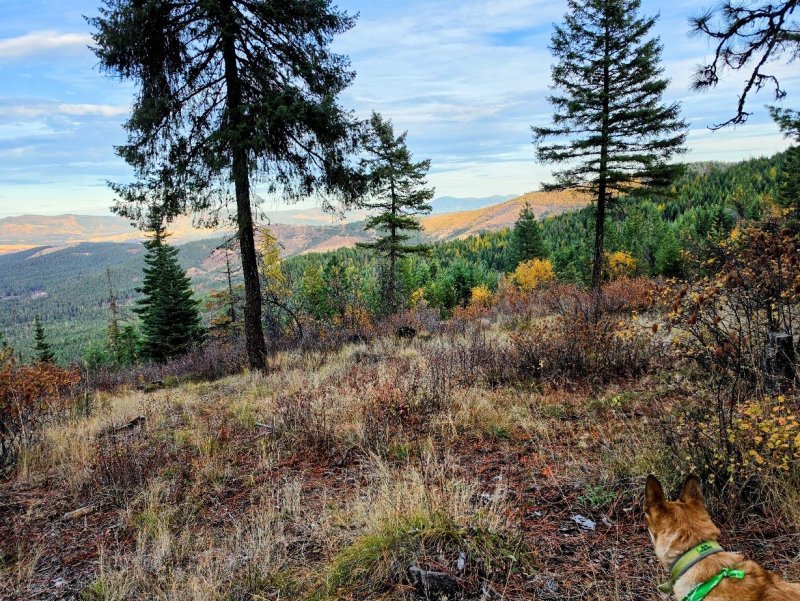
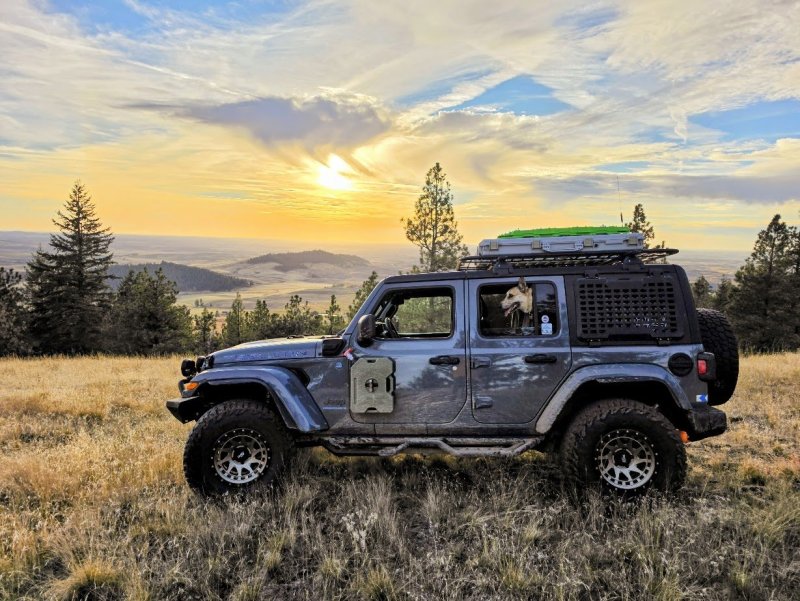
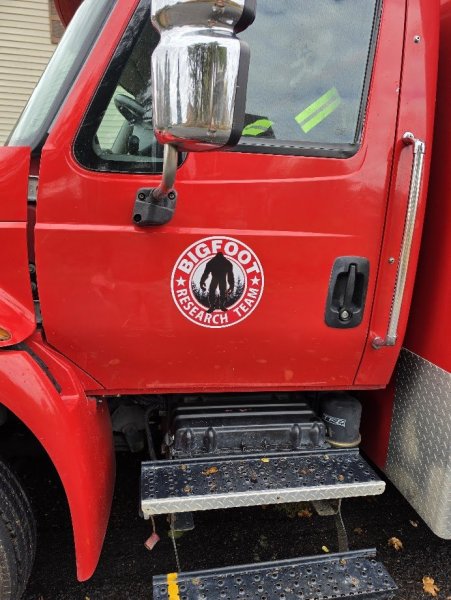
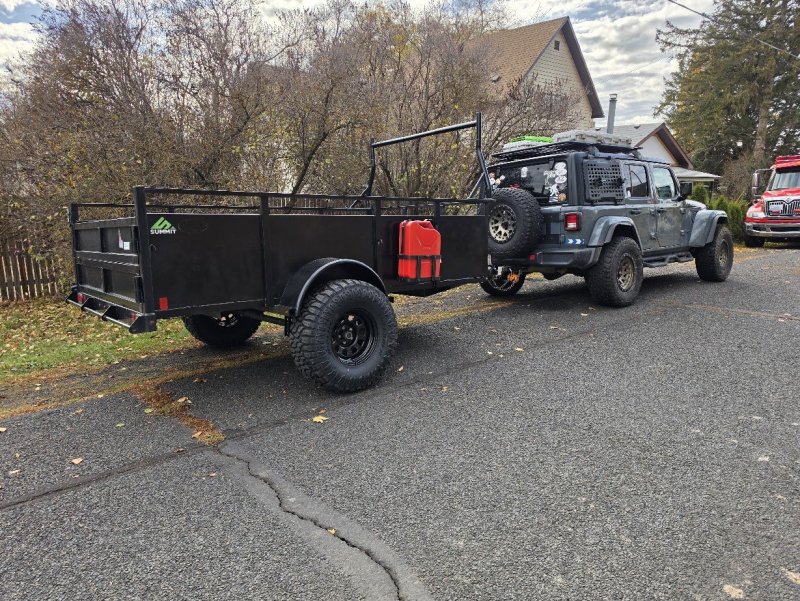
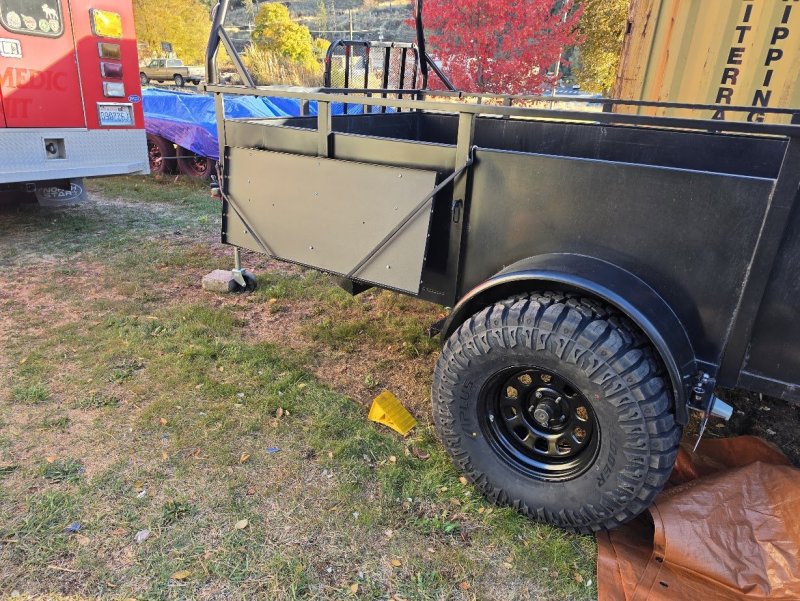
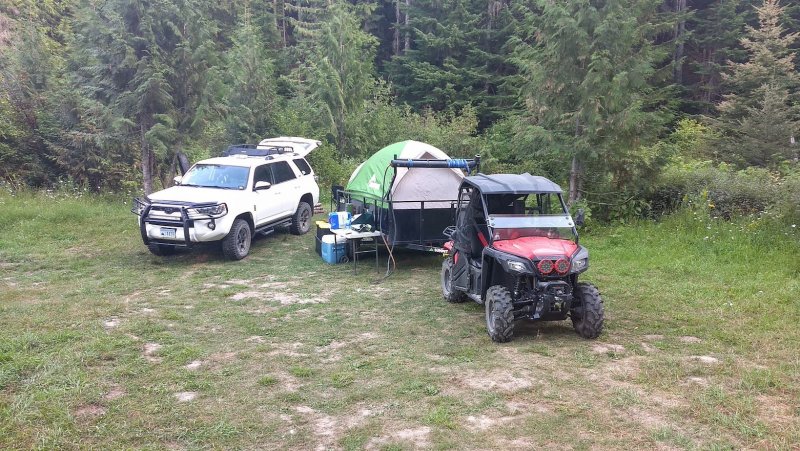
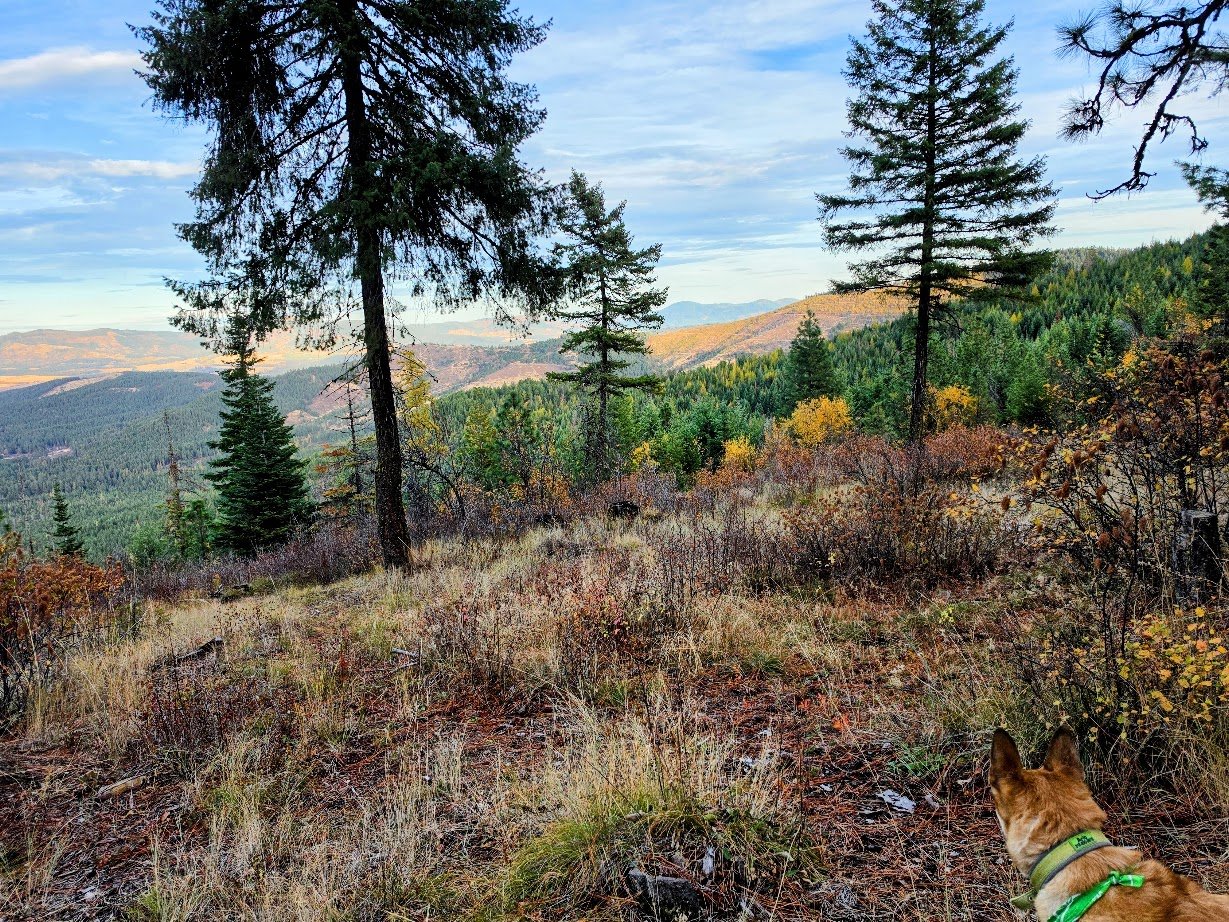
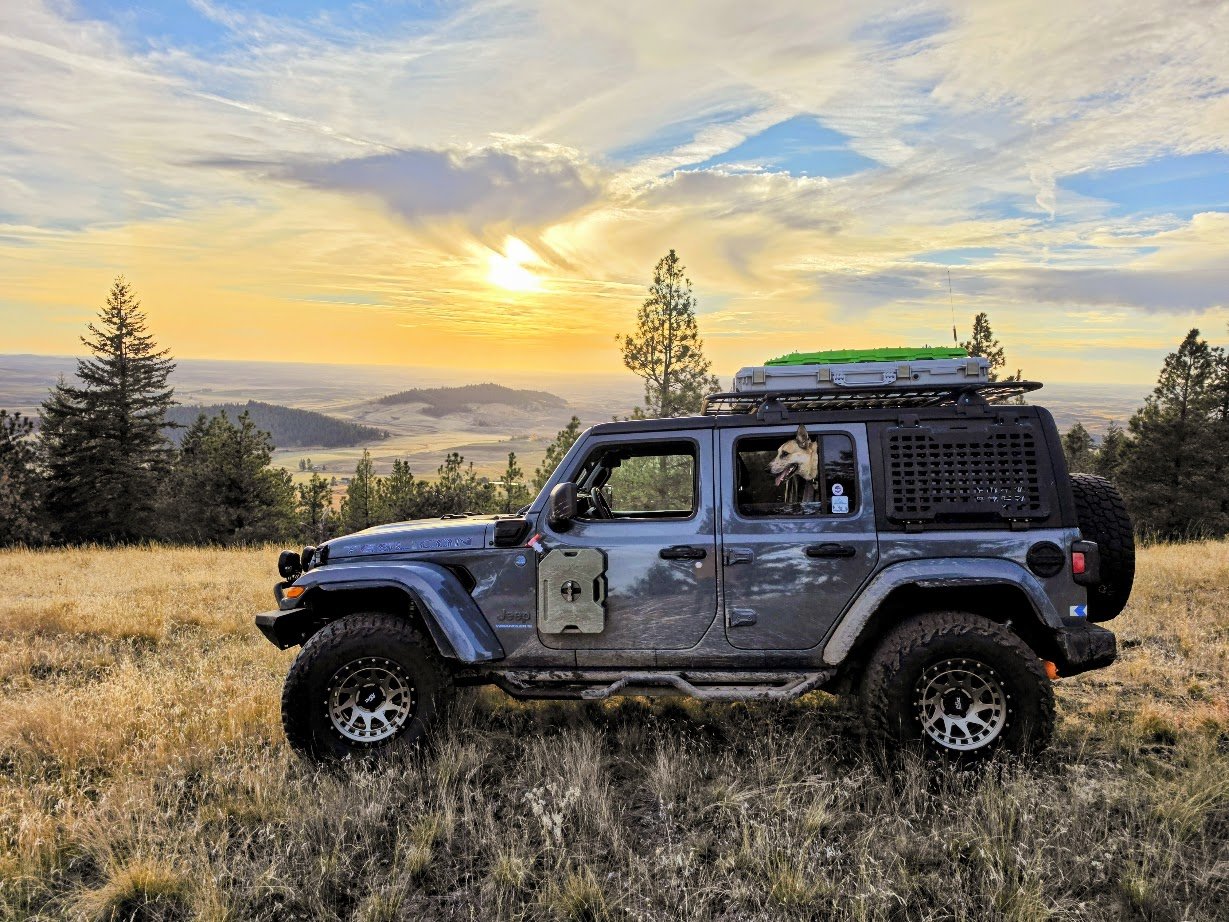
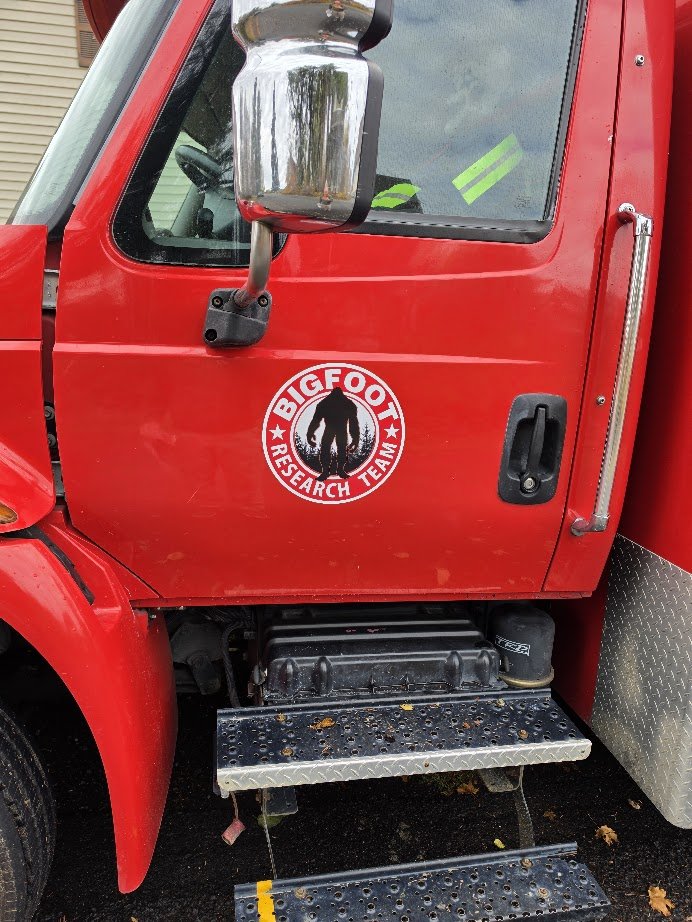
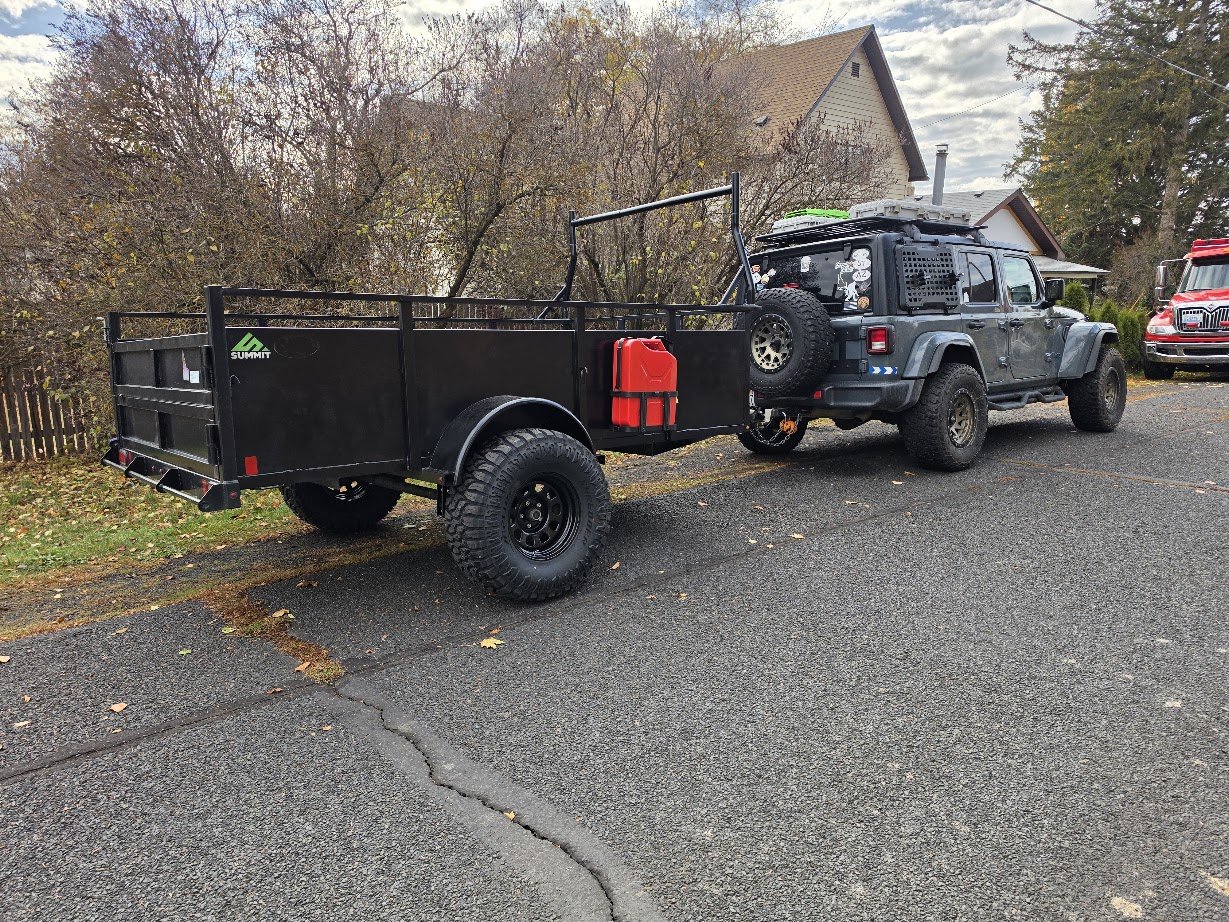
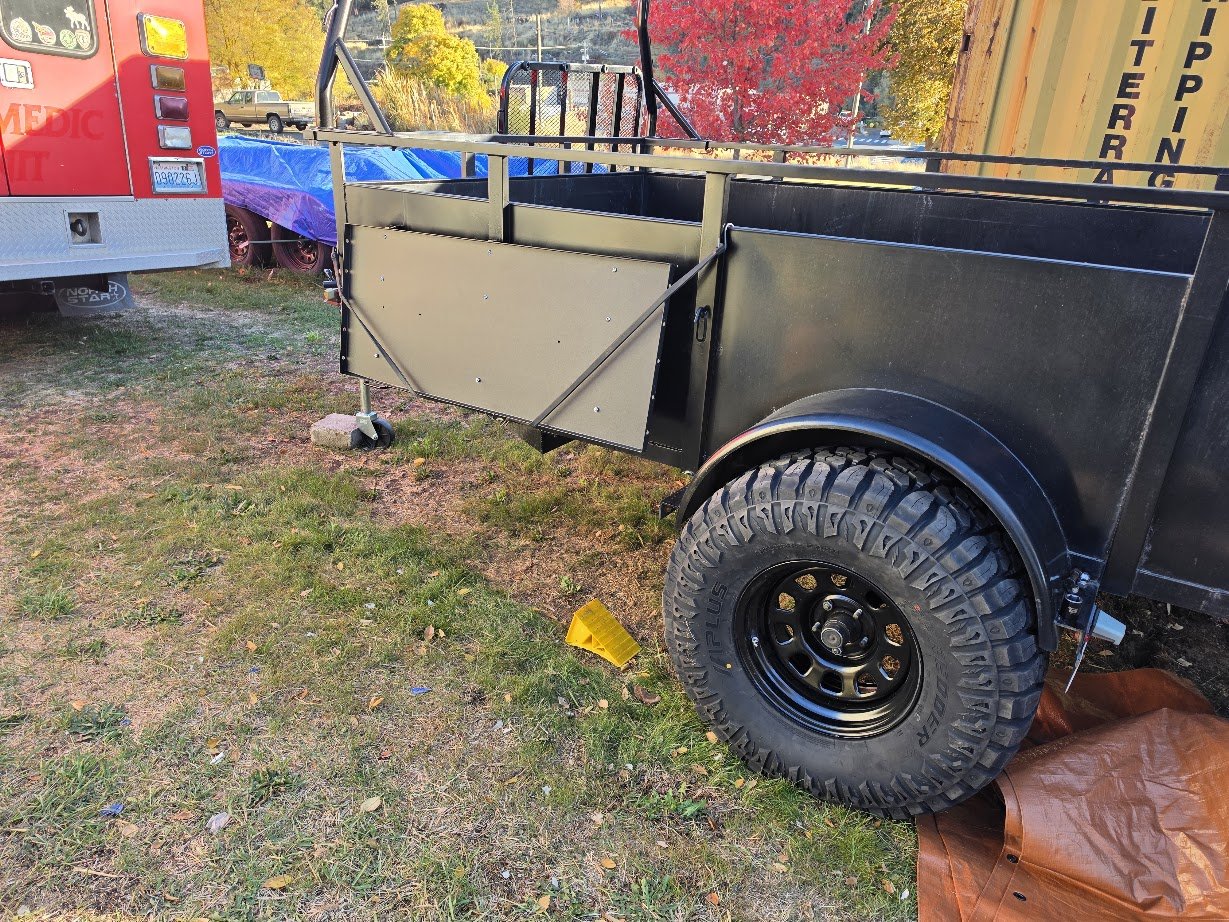
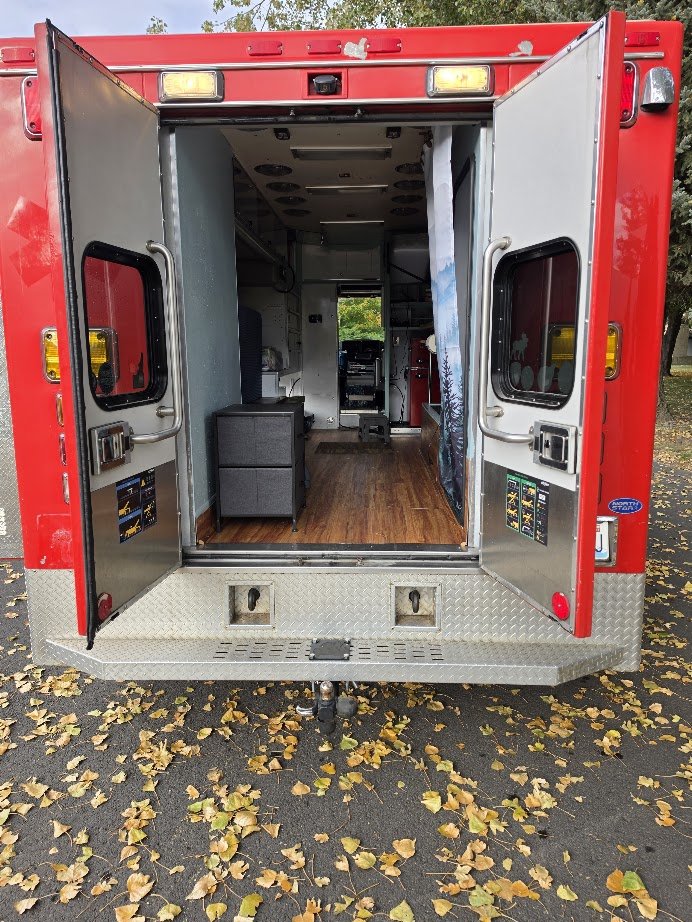
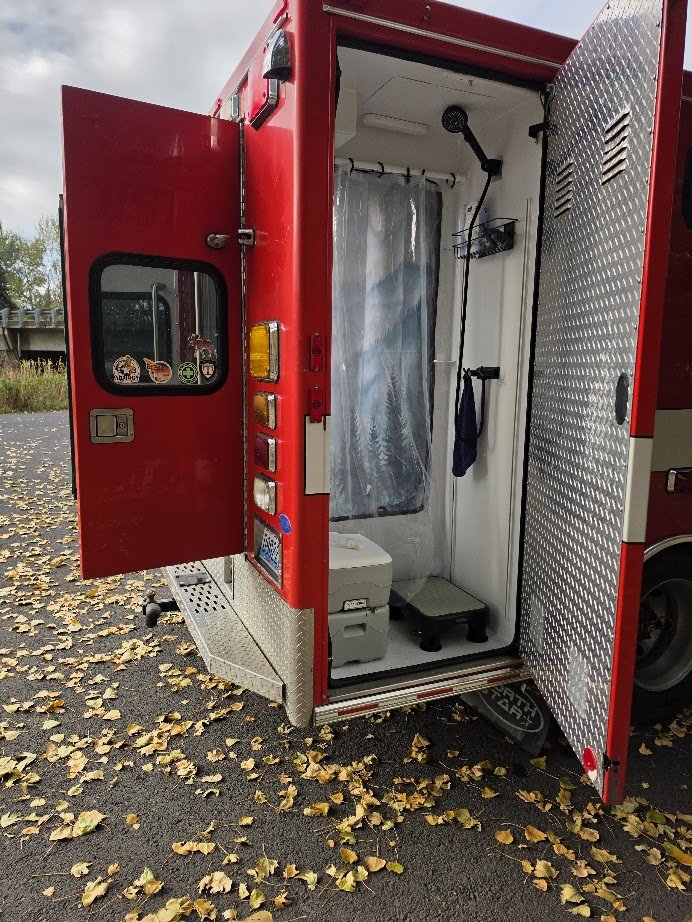
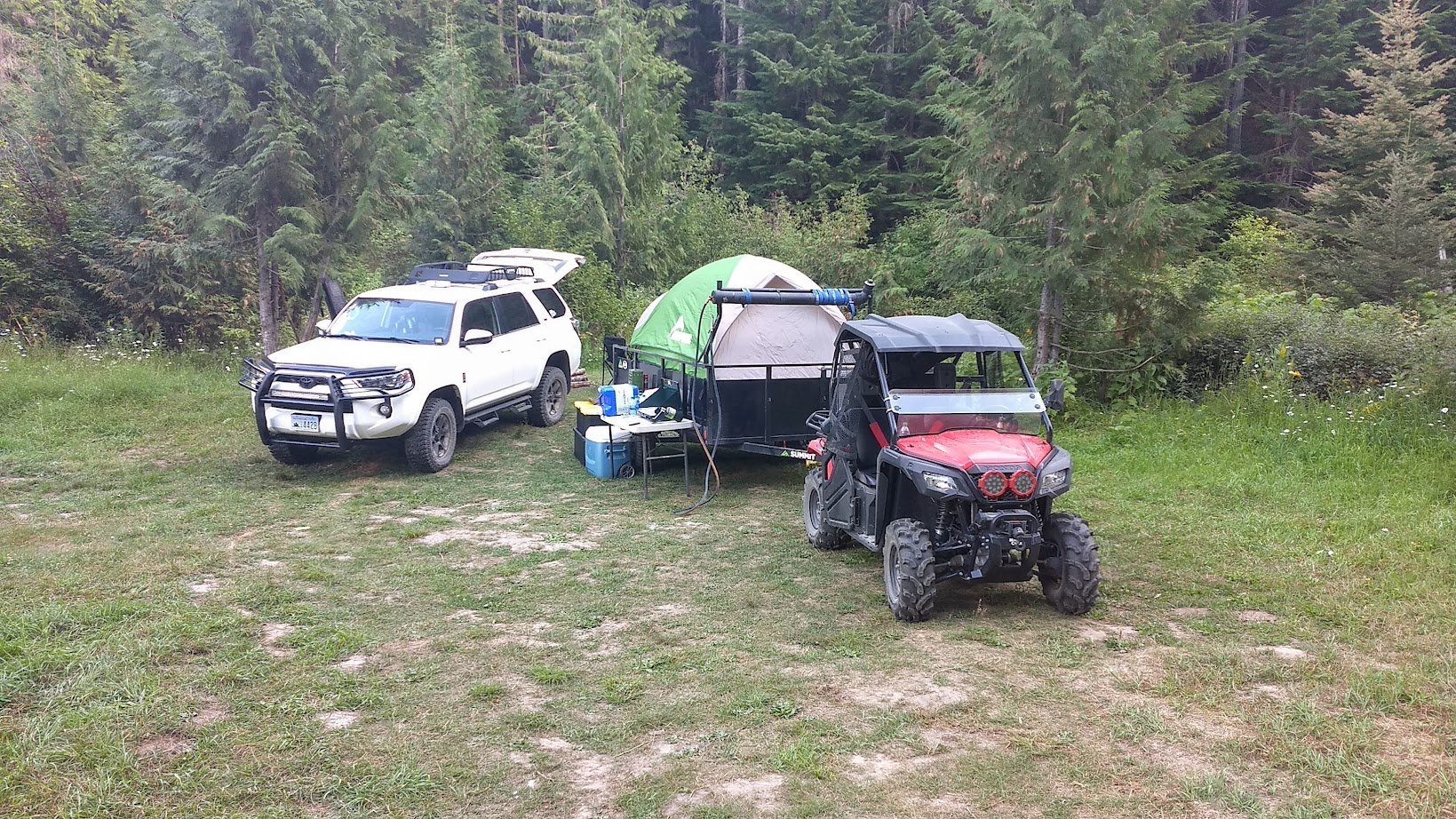
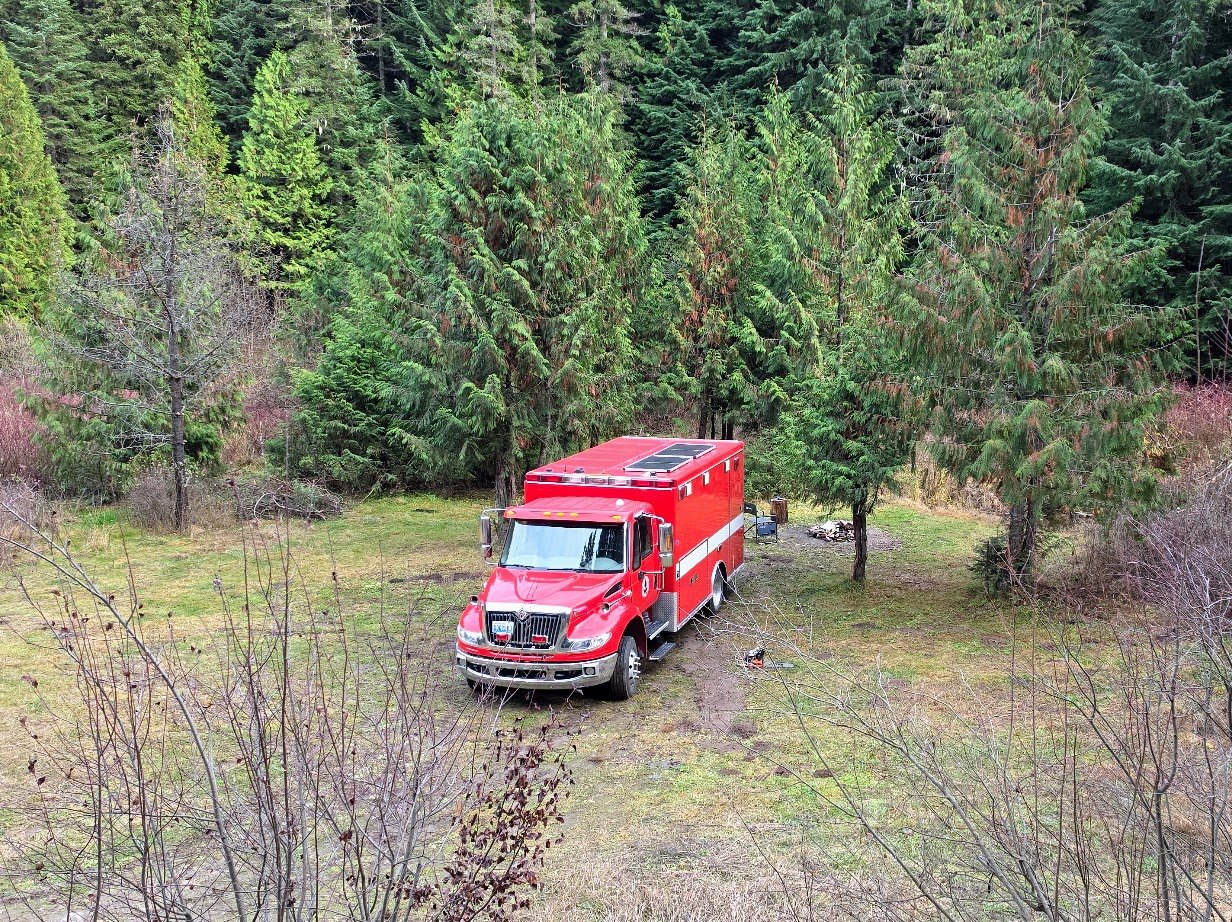
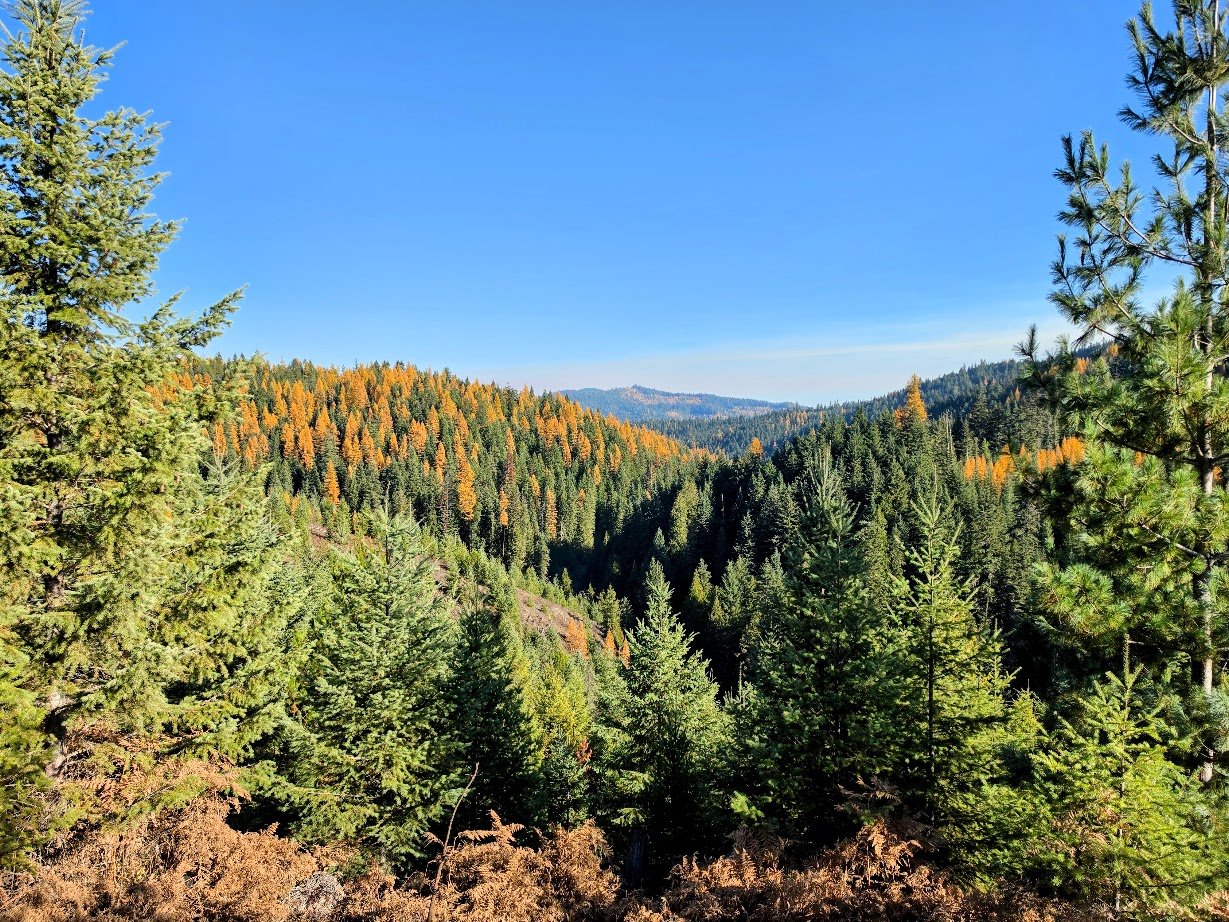
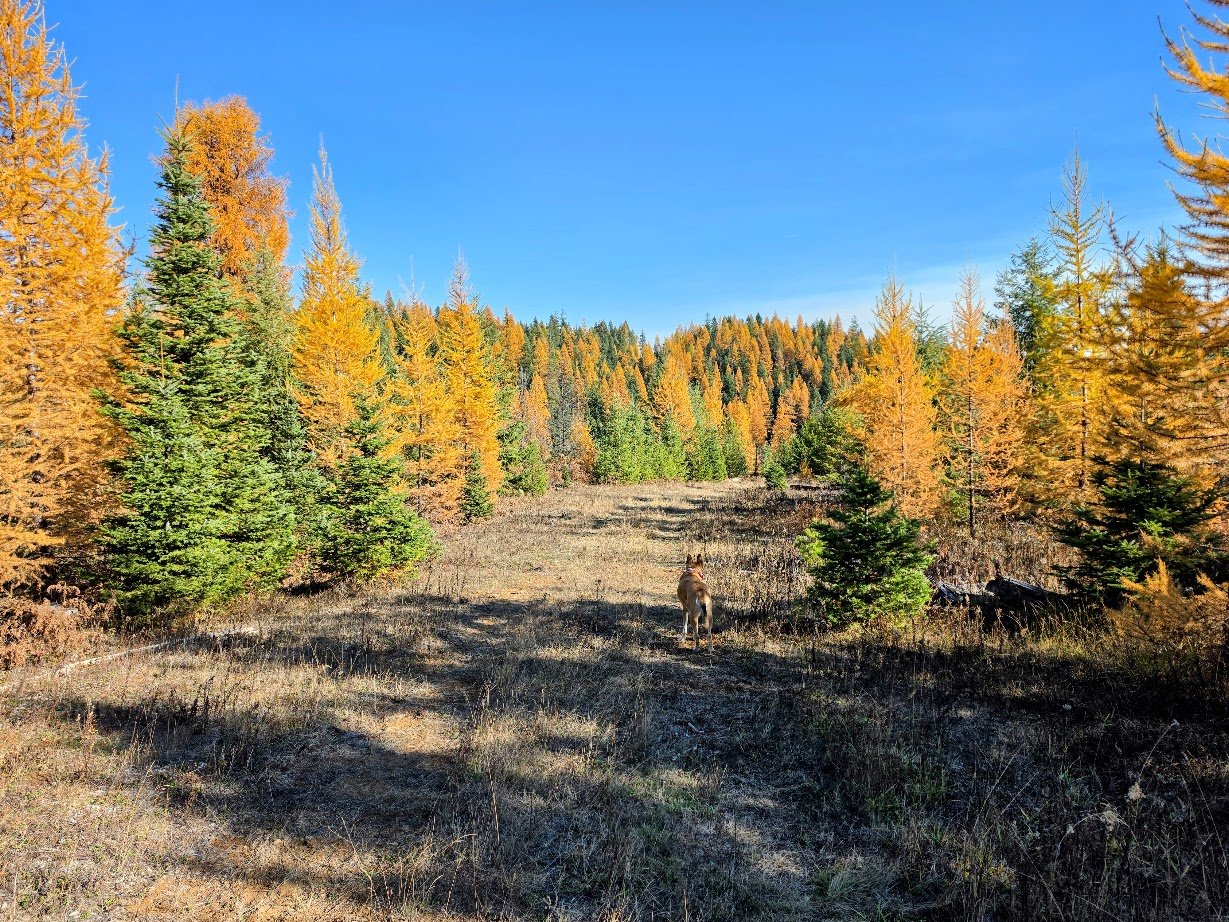
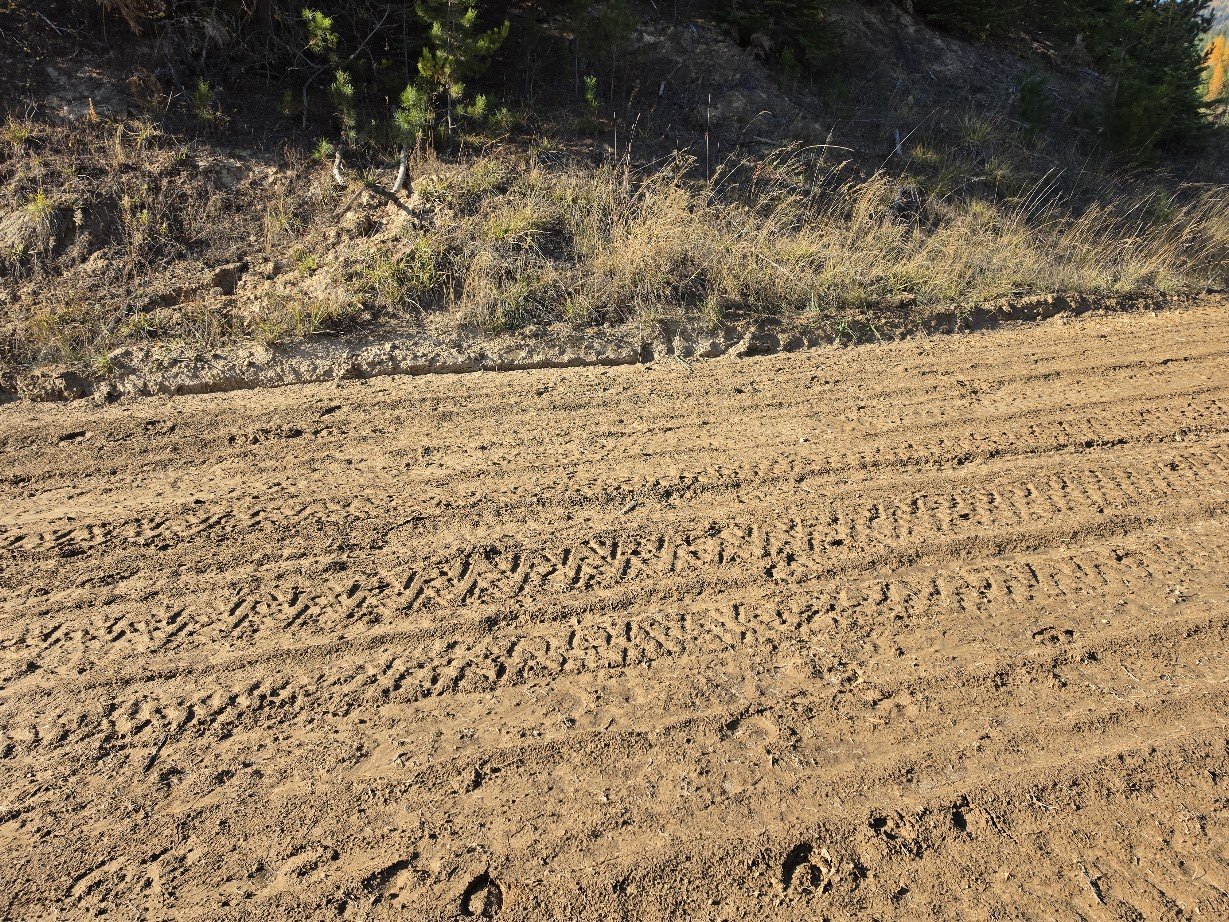
Took a trip through the woods in my Jeep from Idaho over into Washington via Skyline Drive. Beautiful country and just a 15-mile drive from my house. A bit of rain recently, so always looking for tracks. Actually bought two tubs of plaster of Paris for making casts. I've come across a couple of possible tracks in years past, but never was prepared. Now I am. Also added a fun decal to the side of my ambulance RV. And I started the conversion of my utility trailer to an "overlanding" trailer to tow behind my Jeep. It will haul an ATV along with my camping gear while providing a platform for an inflatable tent. I installed fold-up kitchen platform, fuel can, and will be adding a solar shower, water storage, gear storage box, RV lithium battery, solar panel, and inverter. It should let me go camping deep into the woods where the ambulance and Ram 2500 can't go.
 4 points
-
Responsible logging is perfectly compatible with healthy wildlife populations and a healthy environment.3 points
-
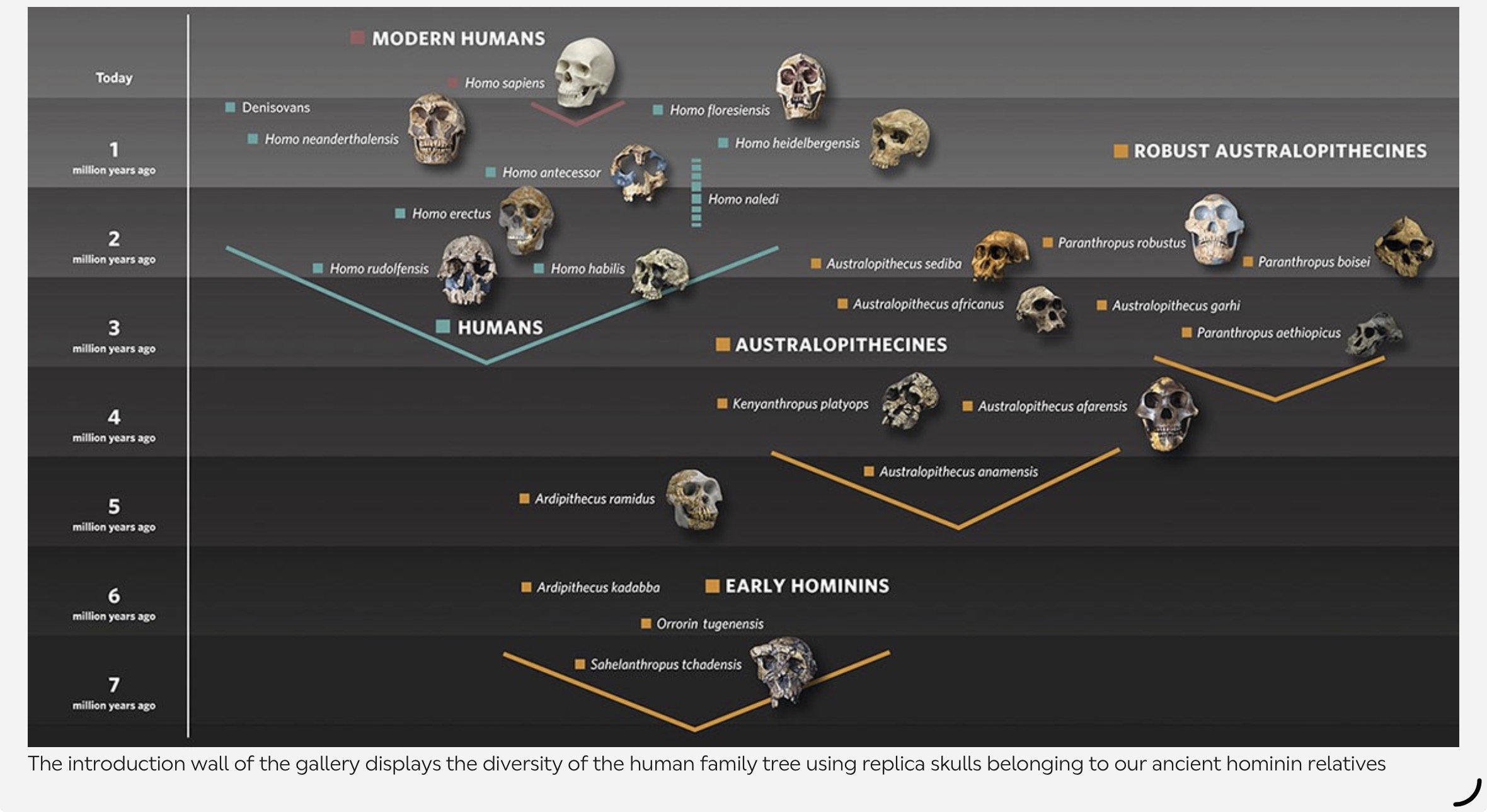
This is not correct. Probably taken out of context. Lets steal from Google (and by saying that, cite the source :)) See below!! But first .. There is something else to be understood here. What we're talking about here is fundamentally rooted in the Milankovitch Cycles and there is a change partway through of which of the 3 cycles is dominant. "Cycle 1" is eccentricity which is really 2 parts, about 100K years and about 405K years, "cycle 2" is obliquity which operates on a roughly 41K year cycle, and precession which operates on a roughly 23K to 26K year cycle. During the period of about 700K to 1.25 MYA, the cycle for glaciation transitioned from being mostly driven by obliquity to mostly driven by eccentricity. The earlier cycles were shorter and less intense, later cycles longer and more intense. (Note that this is from both ice core samples and from marine sediment samples, in other words, not theory but rather repeatable science.) ++++++ Now, the "below" --> Across the entire Pleistocene epoch (2.58 million to 11,700 years ago), the Bering Strait cycled between a flooded seaway and an exposed land bridge more than a dozen times as global ice sheets grew and shrank. [1, 2, 3] Because the Bering Strait sill is roughly 50 meters (164 feet) deep, geologists reconstruct its opening and closing across the full 2.58-million-year epoch using Marine Isotope Stages (MIS)—even-numbered stages represent cold glacials (land bridge exposed) and odd-numbered stages represent warm interglacials (strait flooded). [1, 2] 1. Early & Middle Pleistocene (2.58 Million – 130,000 Years Ago) Rather than having single continuous dates, the corridor alternated on two major orbital rhythms: 2.58 Million – ~900,000 Years Ago (41,000-Year Cycles): During the Early Pleistocene, glacial cycles were shorter and shallower. The land bridge emerged briefly during cold peaks (such as MIS 22 around ~900,000 years ago, when major North American ice sheets expanded) and flooded every ~41,000 years during warmer interglacials. ~900,000 – 130,000 Years Ago (100,000-Year Cycles): Following the Mid-Pleistocene Transition, ice ages grew much longer and deeper, exposing a wider land bridge for tens of thousands of years at a time during major glacials, separated by flooded seaways during interglacials: [1, 2] Interval Type Marine Isotope Stage Approximate Dates (Years Ago) Bering Strait Status Glacial MIS 16 ~676,000 – 621,000 Land Bridge (Major glaciation) Interglacial MIS 15 ~621,000 – 563,000 Flooded Seaway Glacial MIS 12 ~478,000 – 424,000 Land Bridge (Anglian / Elsterian glacial) Interglacial MIS 11 ~424,000 – 374,000 Flooded Seaway (Long warm period) Glacial MIS 10 ~374,000 – 337,000 Land Bridge Interglacial MIS 9 ~337,000 – 300,000 Flooded Seaway Glacial MIS 8 ~300,000 – 243,000 Land Bridge Interglacial MIS 7 ~243,000 – 191,000 Flooded Seaway Glacial MIS 6 (Illinoian) ~191,000 – 130,000 Land Bridge (Extensive exposure) 2. Late Pleistocene (130,000 – 11,700 Years Ago) The final 130,000 years are the most precisely dated using ocean sediment cores, paleogenomics, and sea-level records: ~130,000 – 115,000 Years Ago (MIS 5e / Last Interglacial): Flooded Seaway. Global sea levels were higher than today, completely submerging the strait. [1] ~115,000 – 35,700 Years Ago (MIS 5d–MIS 3): Mostly Flooded / Intermittent. Older models assumed the land bridge formed around 70,000 years ago (MIS 4), but recent Arctic Ocean nitrogen-isotope reconstructions show the strait remained flooded through most of this period until ~35,700 years ago, with at most brief, shallow exposures during cold stadials. [1, 2, 3] ~35,700 – 13,000/11,000 Years Ago (Late MIS 3 – MIS 2): Land Bridge. Rapid ice-sheet growth dropped sea levels enough to connect Siberia and Alaska continuously through the Last Glacial Maximum (26,500–19,000 years ago). [1, 2] ~13,000 – 11,000 Years Ago (End of Pleistocene): Flooded Seaway. Meltwater from retreating ice sheets breached the sill around 13,000–11,500 years ago, permanently reopening the Bering Strait just as the Pleistocene ended at 11,700 years ago. [1, 2, 3] ++++++++++++++++ Then, finally, my own stuff kinda playing the clock representing rate of mutation which seems to be pretty constant, I came up with the notion that we're looking for a latest common ancestor between us and sasquatch to support the level of compatibility / incompatibility suggested by the Nor Cal tribal lore at about 800K years ago. At the time I said Homo erectus but we have a bit more information to work with now. Since scientists are at least tentatively linking "Dragon Man" (Homo longi) which has been dated to 1MYA to about 51KYA to Denisovan, then Denisovans do have to be considered. Remember that there may be others we have not discovered or timelines that have to be adjusted: we should be focusing on asking the right question, not jumping ahead to try to force a wrong/premature answer! I guess that's probably enough outa me for a bit ..3 points
-
So I was thinking, why does it wonder off through the muck barefoot, get to fresh water, and then come back to drier land. Two different times, same behavior, different side of the lake. Of course, to get a drink of water. I have tracked them for over 20 years in this region though tree breaks but never foot prints because of the floor vegetation. Pretty cool. Anyway, have not posted in a while, hope you found the time spent putting it together for you worthwhile.3 points
-
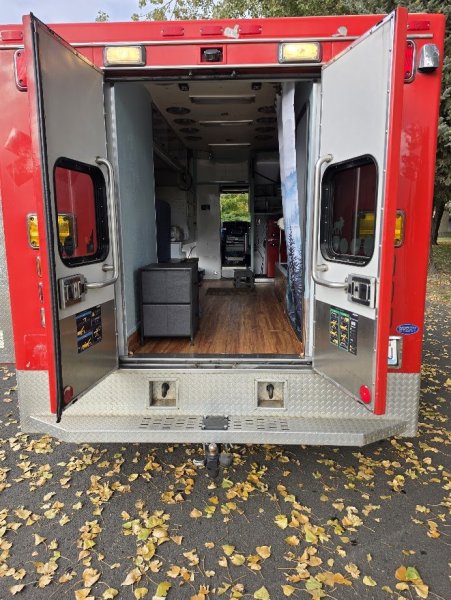
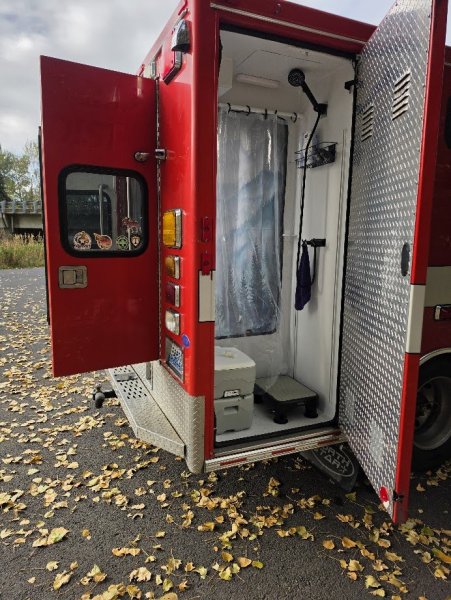
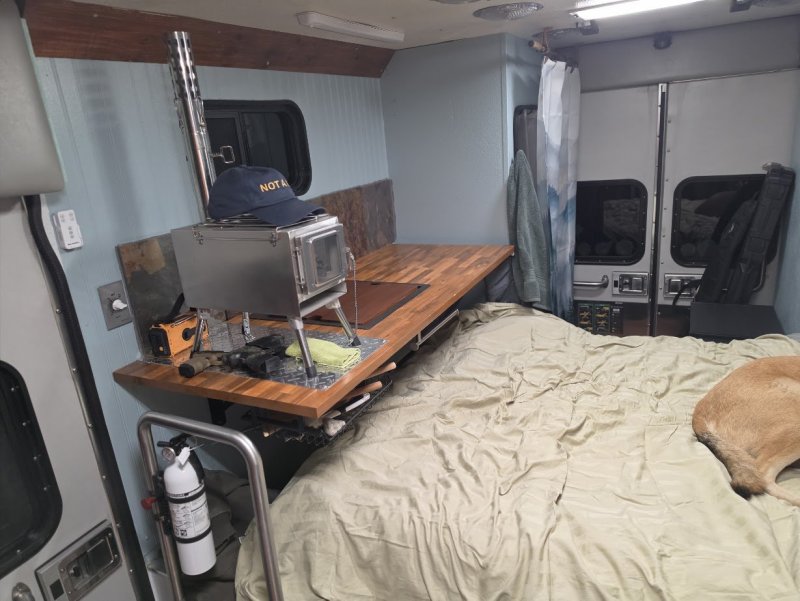
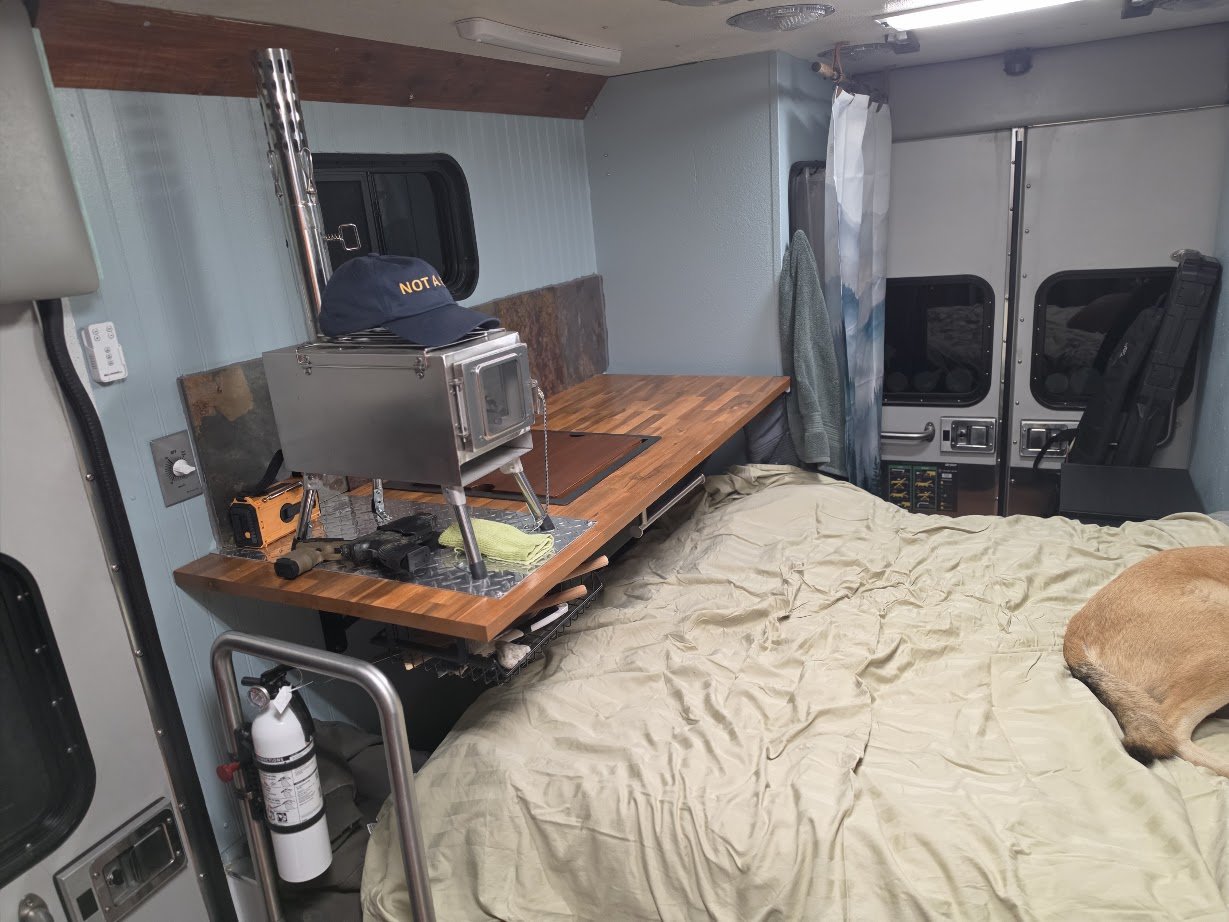
I have a stainless steel woodstove installed that just needs the chimney routed through the roof. Tough to find the appropriate flashing for a 2.5" chimney on a flat roof. I have a silicone boot designed for routing a chimney through a canvas tent for the inside. Just hoping to find something more robust for the exterior surface. It's a step up from my tent and pop-up camper...

 3 points
-
We live in the North-Central area, NOT super-close to any coast. There are still a few affordable areas left in Florida, but they going fast! What amazes me is how MUCH forested area and wildlife there still is in Florida. Just to the south of our neighborhood, there's a very large tract of land that has quite a few black bears. They wander into our neighborhood occasionally. We see MANY wild turkeys and there's wild-hog activity everywhere we hike regularly. One night driving home, what looked like some kind of large badger waddled across the road in my headlights. There's technically not supposed to be badgers in Florida, but that's what it looked like to me.2 points
-
The United States government monitors everything on Earth to one extent or another. I find it incredibly interesting that, after over a century of poo-pooing and ridiculing sasquatch reports, a single agency office decides to "publish" its "files" (consisting of three reports) not even in their district during an era of "disclosures" of investigations into the sexual crimes of an obvious multi-national intelligence asset and the spacecraft that they've been actively denying existed for the past 80 years.2 points
-
Okay, I just skimmed this thread and I don't see this breaking news mentioned. If it was, someone can just dope-slap me around a bit for being redundant. The U.S. Forest Service released their Bigfoot files on October 15, 2026. They can be found at https://www.fs.usda.gov/about-agency/foia/reading-room. (You may have to turn off any VPN, if you use one.) The first document was from 1982 and is a report from the Umatilla National Forest regarding a reported find of Bigfoot tracks in the Low Creek drainage. The second was a newspaper article concerning reported Bigfoot tracks in Sanders County, Montana. The third was a 1980 write-up about Petty Creek near Alberton, west of Missoula, Montana. While primarily historical, it apparently includes some possible Bigfoot references. I've attached all three articles for downloading should anyone want to read them in full. June 18 1982 Bigfoot Tracks Investigation Umatilla NF.pdf Clark Fork Valley Press Article JAN 13 2003.pdf Kinney_whatdoyouknow_MT.pdf2 points
-
The theory came from the DNA. Look up Eurasian back-migrations. It is not just one person's idea. Look at the bottom of the page for the citations and authors. Pretty extensive.2 points
-
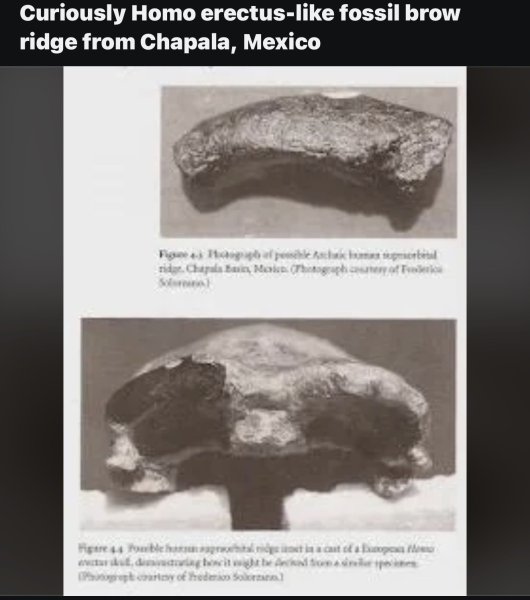
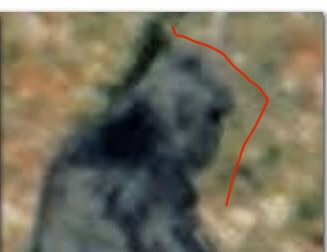
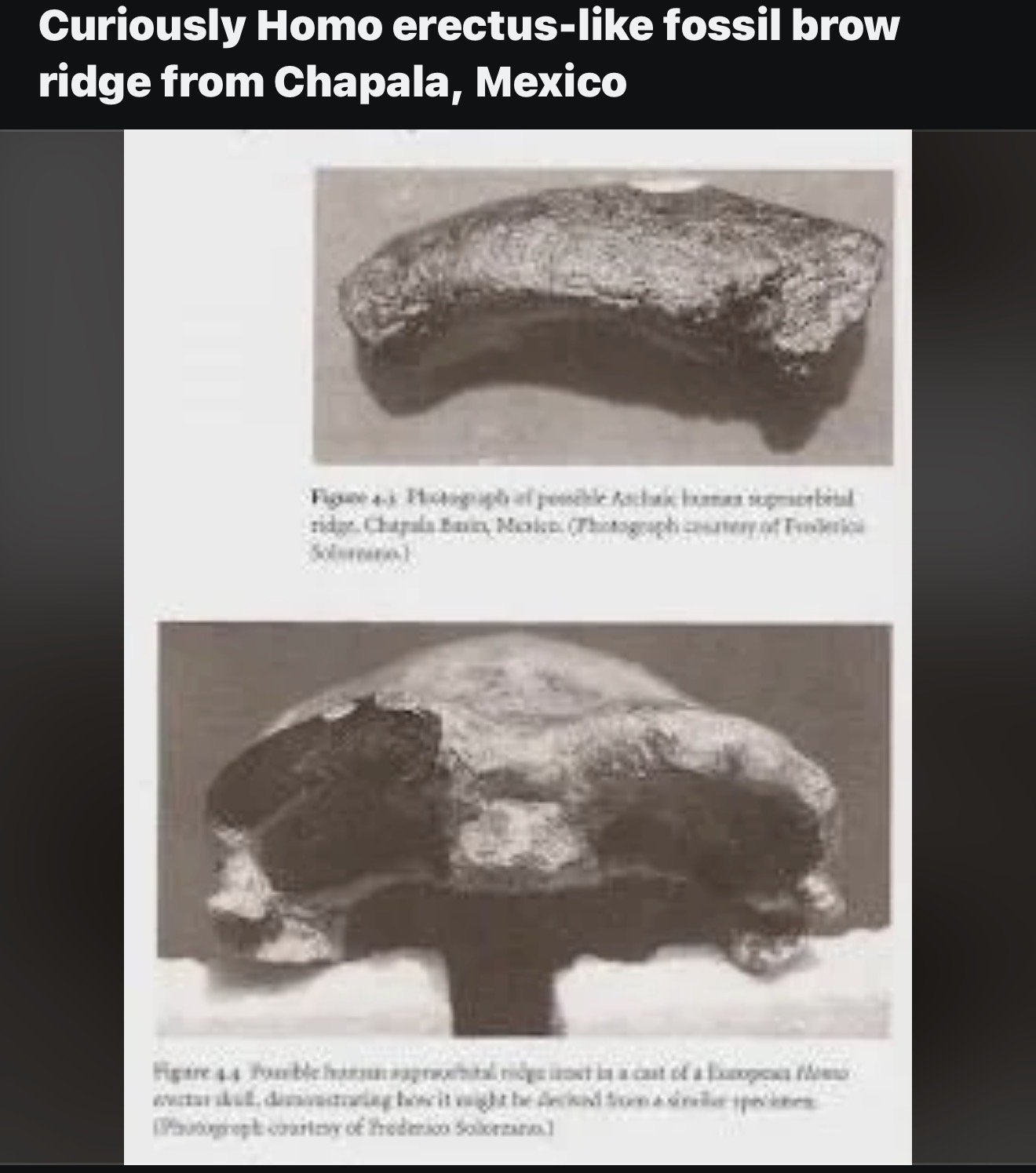
In my humble opinion? Denisovans are much too recent and much too much like us to be a prime candidate for Sasquatch. I do think there is ample evidence of something being in the Americas before us. Despite push back from the clovis first crowd. And I think the prime candidate is the first human species to leave Africa widespread. And that is IF Sasquatch is in our genus. Homo Erectus https://www.latimes.com/archives/la-xpm-2004-oct-03-adfg-bones3-story.html Its entirely possible that Homo Erectus may have made it to North America but is in no way related closely to Sasquatch. For those of us that feel Patty is still a real creature? She has almost nothing above her brow ridge. It’s very very low. Certainly not anything resembling a Denisovan. As far as some special pleading as to why Denisovans would regress technologically once reaching the new world? I don't think you have to do that. There are other candidates in east Asia that are much more archaic and just as easily could have walked to the Americas.
 2 points
-
2 points
-
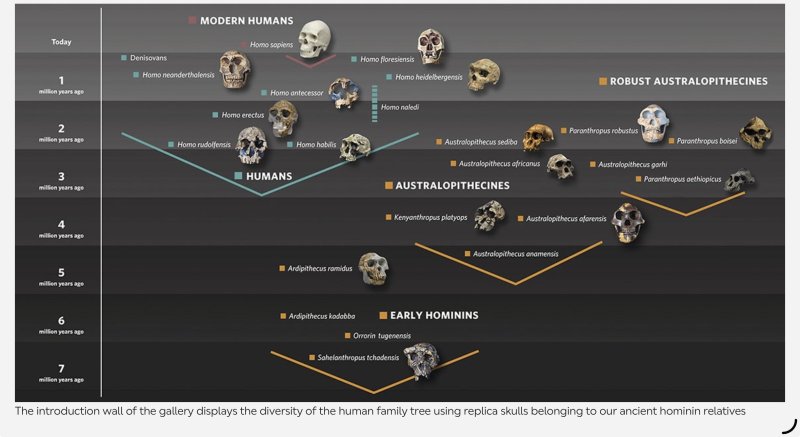
We know how much of it went. And we once thought it was this linear progression. We now know it was a river of many tributaries twisting and turning and folding back in on itself. And the Homo Sapiens population today is a composite of that journey. Populations we once thought went extinct were more like reabsorbed. DNA technology has done a lot to shed light on this. If you are a European human? Did Neanderthals really go extinct? If you’re an Australian aborigines? Did Denisovans really go extinct? And how much Denisovan DNA was Homo Erectus? So forth and so on? Here is a great interview.
 2 points
-
Here is an AI summary of the transcript: Opening and framing The speaker, a professional wildlife filmmaker, naturalist and conservationist, says he is risking his career and reputation by disclosing that twelve years ago, in the southern Appalachians, he saw a large, hair-covered, bipedal being in the forest at night. The experience upended his view of reality and sent him on more than ten years of mostly secret research around the world. He says he is not trying to prove such beings exist; he wants to understand what they are, and what that implies about humans. He stresses that he is not an anthropologist, that he may be wrong, and that he invites criticism. He argues that academia ignores the subject and that modern science is compartmentalized across geography, biology, paleoanthropology, archaeology and even consciousness studies, so a full picture requires combining them. The global legend argument He calls "Bigfoot" a laughable name for a phenomenon found on every habitable continent, described consistently across cultures and millennia as bipedal, hair-covered, humanoid beings of varying size. The most common translation of the many names is "wild man": not an animal, but another kind of person. He cites appearances from the Epic of Gilgamesh to the Sistine Chapel, and oral histories of trading and warring with such beings. In his filming travels he asked locals and Indigenous people about wild man legends and heard ancient legends and modern sightings in South and Central America, North America, Australia and Southeast Asia. Two regions stood out. Africa, the birthplace of hominins, has surprisingly few such legends. The Solomon Islands in Oceania have detailed ones, with hair-covered giants and little people, island-specific names and descriptions, and specific caves said to hold living wild men. The data analysis He compiled over 600 records from local newspapers, books, scientific literature and ethnographies, then filtered them to pre-1950 to exclude the influence of the word "Bigfoot" and of jet-age travel spreading stories. A density heat map of the legends shows a stronghold in Oceania and Southeast Asia. He then borrows the logic of human genetic diversity: Africa is the most genetically diverse region because it is the origin, and it holds both the world's shortest and tallest peoples (the Mbuti and the Dinka). Reported wild man sizes range from about 3 feet to over 8 feet, so he mapped height diversity of the legends and found it also peaks in Southeast Asia and Oceania, matching the density map. He concludes the phenomenon likely originated there. The Denisovan connection He frames this within the current "golden age" of paleoanthropology: for most of our history Homo sapiens shared the planet with Neanderthals, Denisovans and other human types, humans have been alone for less than 10% of our existence, interbreeding was widespread, and species boundaries are blurry. Neanderthal admixture was only confirmed in 2010. Reasoning that the most likely candidate for hair-covered bipeds is an extinct hominin, and that the last one to live alongside us was the Denisovans, he overlays his legend maps on a map of Denisovan DNA percentages in modern populations (up to about 6%) and calls it a near-exact match. He says every new fossil and genetic finding has strengthened rather than undermined this idea. Denisovan fossil evidence Denisova Cave (Siberia): a baby molar found in 1984, an unusually large tooth (about 50% bigger than a human's) in 2000, and a finger bone in 2008 that yielded DNA proving a distinct group. The Xiahe mandible from Tibet, found in 1980 and identified in 2019 by proteins, showing massive molars and a robust jaw. The Penghu jaw from Taiwan, identified by paleoproteomics, extending the range to the Chinese coast. The Harbin cranium ("Dragon Man," Homo longhi), with a murky discovery story, confirmed as Denisovan in 2025 through molecular evidence. It is very large and long, with a brain of about 1,420 cc, a heavy brow ridge, deep-set square eye sockets, a flat face, a wide nose, thick facial bones and a wide occipital region for neck muscles. He adds that a skull fragment announced in October 2026 suggests an even larger individual with an estimated 1,800 cc brain, and argues that the one near-complete skull is unlikely to be the largest of the species. Newly announced Penghu leg bones (a femur and a tibia): the largest hominin leg bones ever found, with one individual estimated at about 6'3", a foot taller than other regional humans of the time. He notes they may be male or female, with no genetics to confirm. They were found in tropical latitudes, contrary to Bergmann's rule. Isotope analysis suggests meat consumption at the level of large carnivores, and the researchers proposed that these hominins relied on body size and ability rather than technology for hunting. He compares the skull features to witness descriptions of Sasquatch: a sloping head, heavy brow, wide-set large eyes (most sightings are at night, and he speculates the large orbits may mean night vision), a flat wide face and nose, no visible neck, and large block-like teeth. Genetic legacy and Beringia He explains that Denisovan DNA gave modern humans useful traits. EPAS1 allows high-altitude survival in Tibet and has been called a "super-athlete gene," improving power and sprint performance in some athletes. TBX15 affects fat distribution and metabolism and appears in roughly 65% of Siberians, 89% of Native Americans and nearly 100% of Greenland Inuit, suggesting it helped humans cross Beringia. Other variants affect pathogen immunity, UV protection, hair growth, smell sensitivity and visual contrast. He notes that humans repeatedly failed to leave Africa for 140,000 years, then about 70,000 years ago spread rapidly into Denisovan territory, to Australia within 5,000 to 10,000 years, and into the Americas. If Denisovans had access to the Bering Land Bridge for ten times longer than humans and could survive such environments, he asks why they would not have crossed it. His legend density map, he says, follows a plausible Denisovan dispersal route into North and then South America. He argues that the absence of Denisovan fossils is the same problem as the absence of wild man bones, that isolation from humans would leave no genetic traces, and that reliance on bodies over tools would leave no tool evidence. The hypothesis (explicitly marked as his own) He states that everything up to this point is based on published research, but the way he connects it is his hypothesis. Other archaic humans were displaced and absorbed through competition and interbreeding. The only way a Denisovan lineage could have survived is complete avoidance: total separation from humans and hiding in the wilderness. He suggests they may have foreseen what technology would do to our species and chosen not to participate. To support the contrast, he discusses: Cognitive offloading and the "Google effect." Plato's warning about writing. GPS and declining navigation skills. Digital amnesia, such as people not remembering their children's phone numbers. Human brain size shrinking by up to 10% since the Pleistocene. The fragility of modern society to a power grid failure. He suggests we may have lost abilities with each technological step, perhaps even ones that sound impossible, such as seeing in the dark or exceptional speed. He proposes that Denisovans who avoided technology kept selecting for awareness, memory, movement and senses, so their natural abilities kept sharpening, and he briefly mentions consciousness and parapsychology (remote viewing, telepathy) as a separate frontier not required for the hypothesis. He compares the idea to historical scientific heresies such as Copernicus, Einstein and Wegener, and argues that mainstream science makes some ideas taboo. Conclusion He believes a surviving lineage of Denisovans or Denisovan hybrids, completely isolated from modern humans, may be behind the wild man phenomenon worldwide, and that Sasquatch, Yeren, Almas, the Yeti and other wild men are "another version of us," in some ways more advanced, a branch of humanity that evolved without technology and kept its connection to nature. The hypothesis, he says, does not rule out the view that these are undiscovered primates or paranormal. He raises a scientific problem: standard DNA tests for animal identification examine a small section of DNA, and Denisovan-type samples would be so close to human that they would likely be read as human or contaminated, so past samples may have been discarded and deeper genetic analysis is needed. He says he is convinced thousands of people have had unexplained wilderness experiences and stayed silent, that he cited his research papers in the film and will list them in the description, and that he made the video to encourage others to share their experiences and academics to keep an open mind.2 points
-
We lack photographs. We have pictures of her son. Based on those I think we have purposefully re-imagined what Zana looked like from the descriptions to fit an agenda rather than to fit truth.2 points
-
They seem to walk through snow like it’s a field of clover, obviously it doesn’t bother them. All wildlife is perfectly home in their environment, which includes rain.2 points
-
Very cool finds, NC. Here in the west, there are similar seasonal patterns arounds lakes and reservoirs. I've seen or heard of quite a few researchers observing many mostly juvenile tracks. Check out Madison's topic on these:2 points
-
It qualifies for 'hard side camping'. And you can watch TV. A red ambulance RV must have massive room. Does your inverter allow you to operate a microwave oven? "Parking heaters" are available for diesel powered vehicles and boats. I know of 2 brands common on boats and vehicles: Espar and Webasto. Both are over $1k and permanently installed. There is a member of this forum that has a parking heater on his diesel Land Rover. Very toasty warm. Another way is the portable unit placed on the ground with gravity feed of diesel from an elevated fuel jug. Winter is here, no need to subject your dog to a cold ambulance. Norseman might have some input in the way of dealing with his big rigs.2 points
-
It’s entirely possible. I know they have 86’d Viking settlement archeological sites in Canada…… https://en.wikipedia.org/wiki/Tanfield_Valley https://artsfile.ca/ottawa-archaeologist-says-her-research-on-vikings-in-canada-being-disparaged/2 points
-
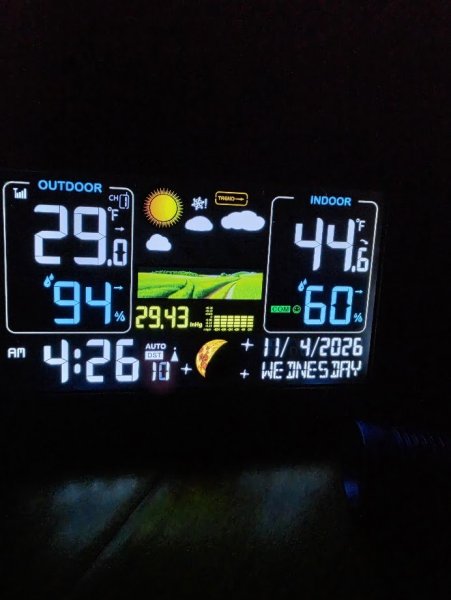
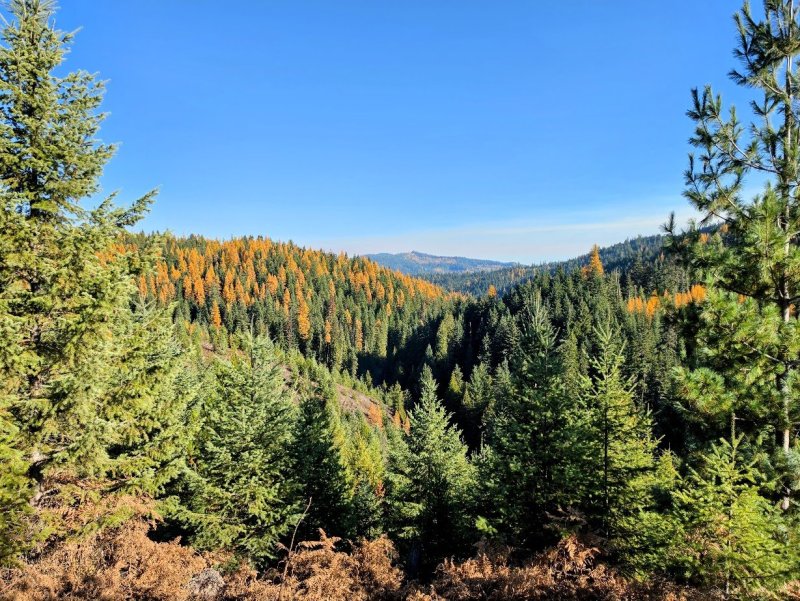
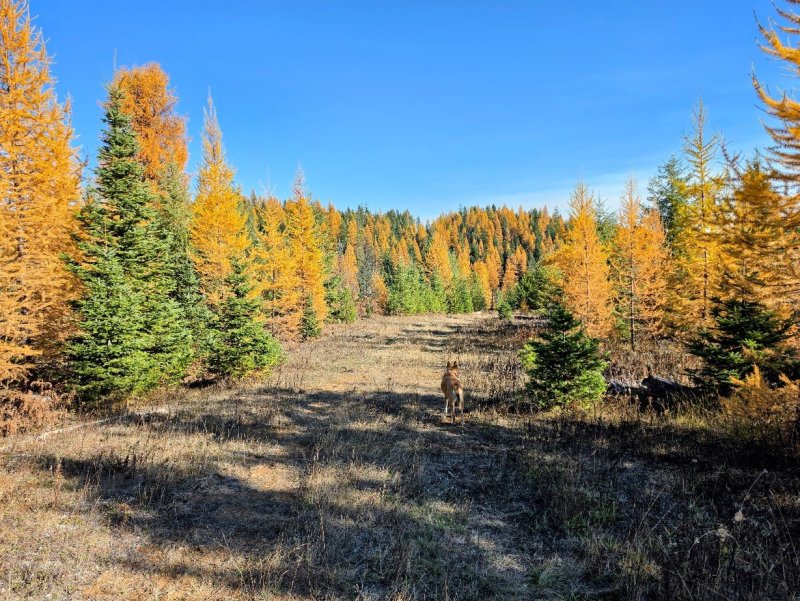
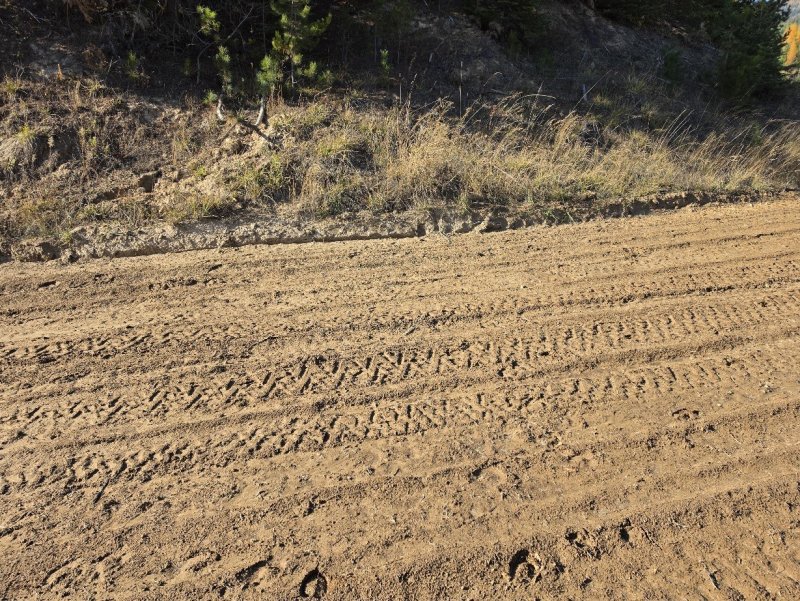
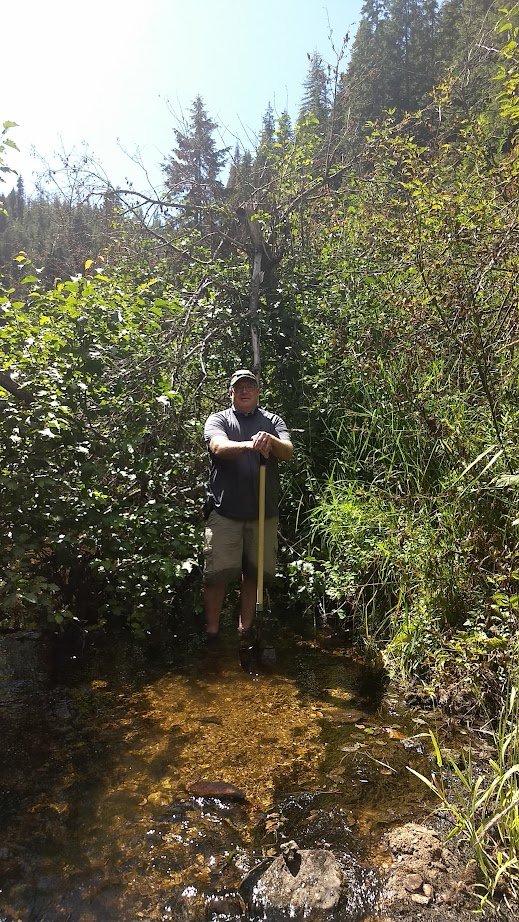
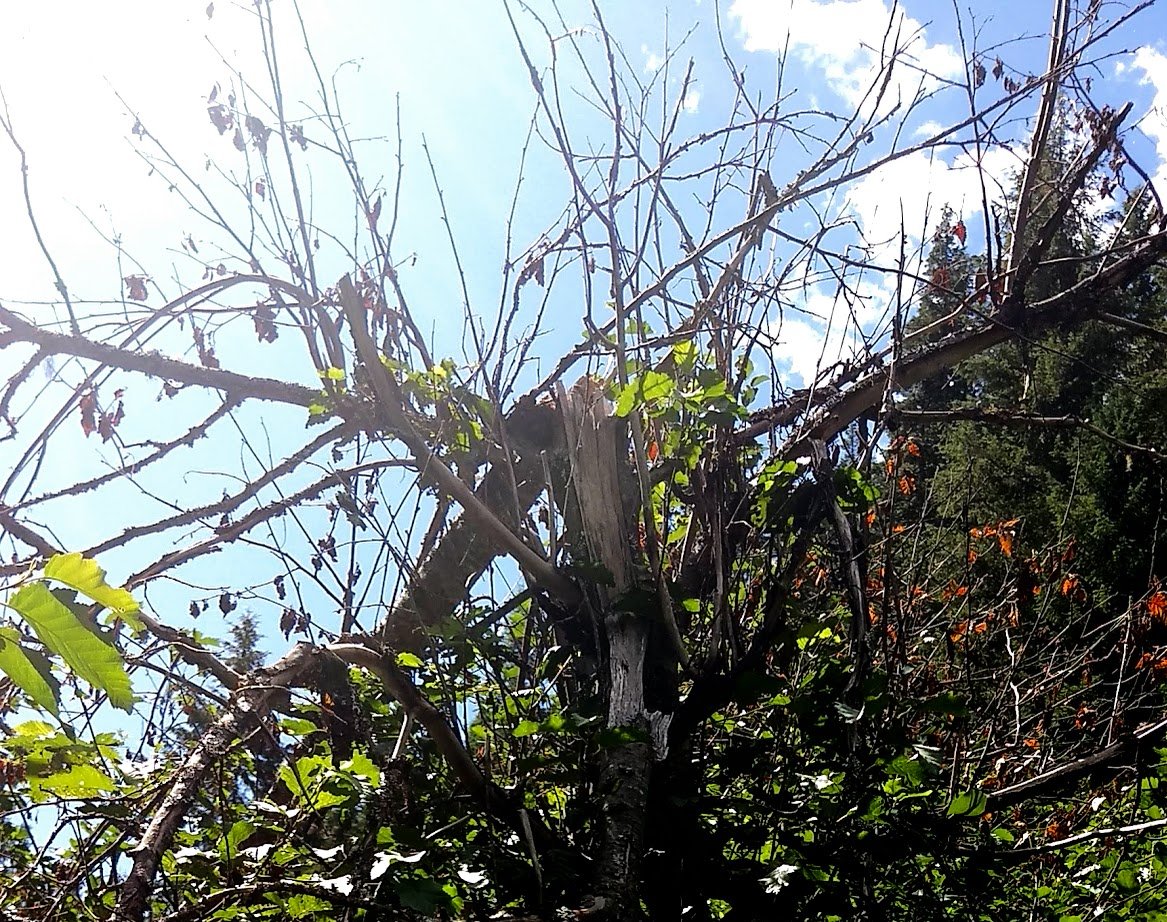
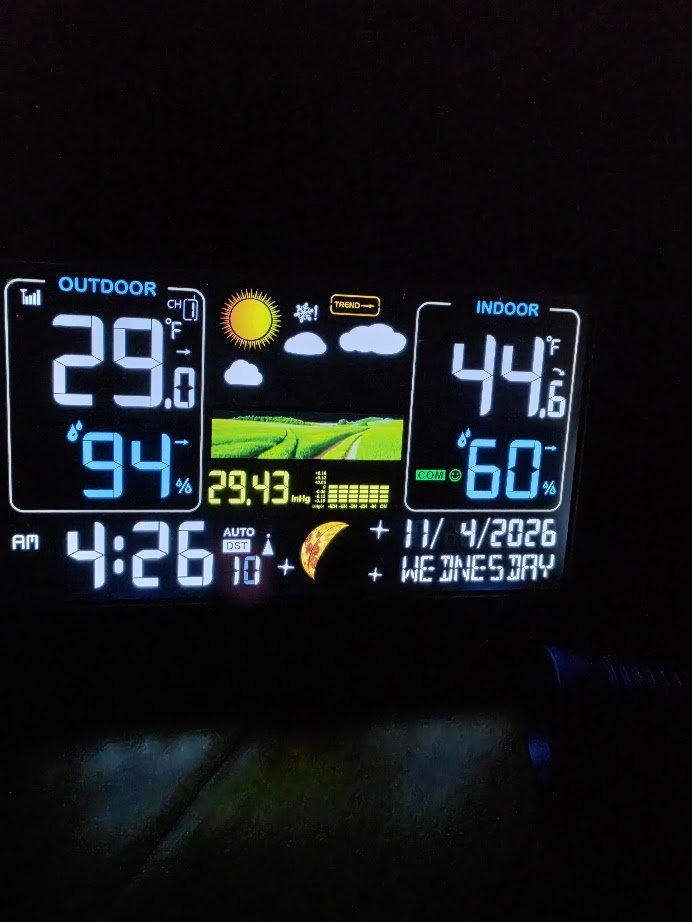
Spent the night deep in the Idaho woods last night about 50 miles from home. This is where I found my first possible BF sign; a tree twisted and broke over 8' above the ground. This was about 10 years ago. Today... I forgot how creepy this spot is with virtually no animal activity or sound. I had a horrible time getting a fire started and ended up having to use an old Indian trick by wrapping a paper towel around a stick and dipping it into the fuel tank of my ambulance, lol. Temperature was around freezing when I went inside to watch TV. Had some odd things happen. First was hearing something hit the side of my ambulance from the direction of the twisted tree. Very light. Maybe a pine cone? No trees that it could have fallen from and nothing on the ground. Wet and soggy ground and dusty side of the ambulance. No tracks, no scuff marks, nothing. An hour later, heard what I thought was thunder outside. Looked outside and clear sky with nothing but stars. About another hour later and my dog began growling for no apparent reason. Got the shotgun with slugs out and opened the door to scan with the weapon light. Arlo declined to go outside, so I stayed in as well. No other incidents. Woke up a few hours later and it was very cold outside and inside! Packed up camp the next morning and scouted for elk for my brother on the way back to civilization. Beautiful day and saw a lot of country, but no BF sign. I walked this moist dirt road for about two miles and found hundreds of fresh deer and elk tracks, but no BF tracks.
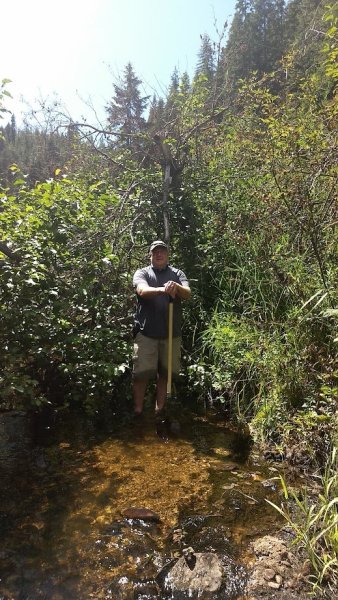
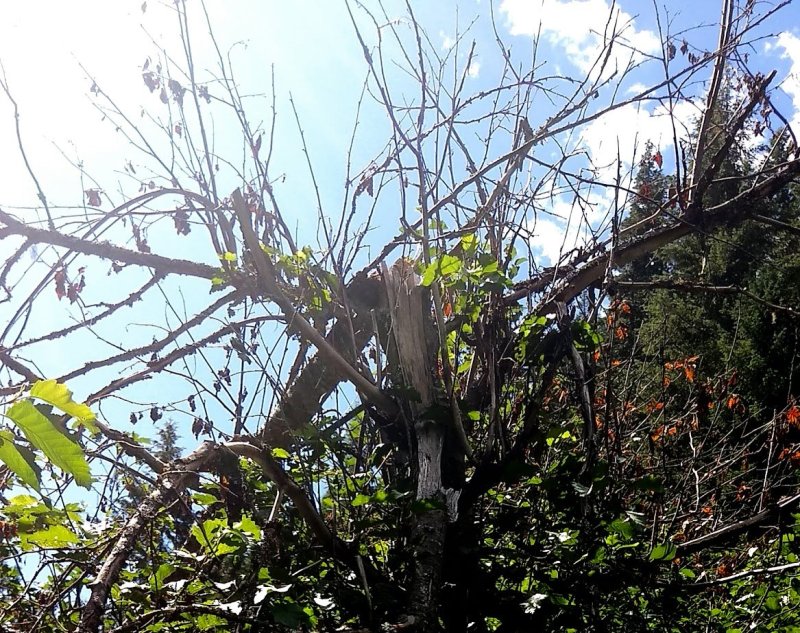
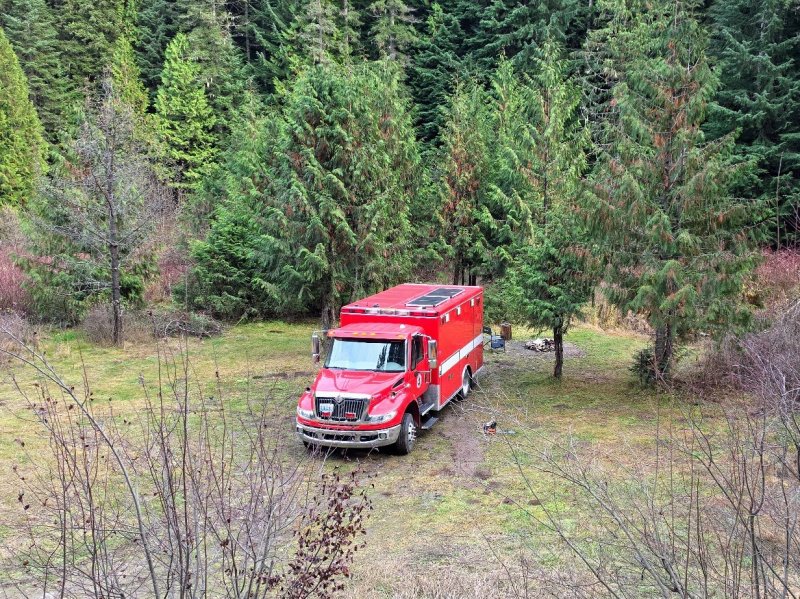
 2 points
-
1 point
-
Huntster, once again I concur! As a former zookeeper I will state monkeys are a pain in the backside and have a family wide schtank like few other mammal groups!1 point
-
Although this is a video/documentary, I believe the theories this guy advances go beyond the video itself and are worthy of more discussion. His video lays out an interesting argument for Denisovans being the "wild men" of history and of our more modern-day Sasquatch sightings. Some of the information in this video has been talked about here before, but he does an excellent job of tying it all together. He shows how the Denisovan fossil evidence we've gathered so far could point to Sasquatch. He also talks about the historical distribution of wild-man stories matching the speculated range of the Denisovans. Another very interesting topic he presents is the early-man "avoidance" theory. This is where one group of human-species adopts a more primitive or "wild" lifestyle to avoid having to interact with more technologically-advanced groups of "humans." This would lessen the chances of being killed-off or absorbed. Over tens of thousands of years, the more "wild" human-species group would develop enhanced physical characteristics like being, larger, hairier, faster, better night vision, etc. As I said, some of this information has already been discussed in this forum, but this is the first time I've seen one source that links it all together in one theory. Interesting! https://youtu.be/vN9q8ewDQs0?si=Eyi6vE2g2PH2XEJz1 point
-
Hey Kool. Be sure to look us up at the museum here in Willow Creek. Just make contact through the museum. I give private tours of our collection (Bob Titmus collection) which was dedicated in 2000 by John Green and Dr Meldrum. I can point you to roads and areas to explore and fill you in on very recent contemporary investigations that have produced current print casts and encounters. Lots of info to share. Eric.1 point
-
The Forest Service, Bureau of Land Management and the US Fish and Wildlife Service, that we will call the Big Three, are most likely monitoring Bigfoot forums since this is a national and worldwide website that encourages people to discuss Sasquatch commonly known as Bigfoot. The Bigfoot Forum has been in existence for many years, and people from all across the nation including Canada have been discussing their knowledge of Bigfoot. The federal government's Big Three are probably keeping track of public opinion when it comes to Bigfoot. We also don't know what kind of research the federal government and state government is putting into the study of Bigfoot since they publish very little information about the creature. Now before we get into this too much more, the Big Three public agencies are concerned about public opinion in regard to the management of Bigfoot and the necessity to manage our timber production at the same time. For many years now the Forest Service has been managing lumber production and Sasquatch thrives in areas where trees have been cut down in my opinion. In these areas brush has grown up to take the place of the open forest where trees once existed. Now in order to survive, Bigfoot depends on deer and elk that flourish in areas where timber has been removed and brush vegetation grows back which is food for deer so forest can support more deer under these conditions. In my opinion if the correct information is provided to the public that the public will agree that timber production and Sasquatches are a compatible pair. The Forest Service, BLM, and the U.S. Fish and Wildlife Service or the Big Three are aware of the Pacific Northwest's problems that revolve around spotted owl decline. The decline is not due to timber harvesting as originally thought but due to a habitat invader, the barred owl. The worry that timber harvest would adversely impact the habitat of the Spotted Owl was finally proved false. During the time when the spotted owl controversy was raging, the Big Three were on high alert. The public was afraid that logging would ruin the habitat of the spotted owl which was proved to be incorrect because it was being replaced by the barred owl. I believe the same situation could occur because of Bigfoot when the public realizes Bigfoot lives in practically every state especially where logging occurs. To keep this situation from occurring, the Forest Service jokes about bigfoot being a mythical creature while the US Fish and Wildlife Service and the BLM simply hope the issue will blow over and they don't publish any information on the creature. How about a public campaign that shows Bigfoot and moderate logging are compatible that involves the policy of 'sustained yield' where timber trees are allowed to grow for 70 years and 1/70 th of the trees are cut each year. Bigfoot is very seldom seen and is known to make simple nest in the forest with branches woven together as shown by the scientist of the Olympic Project. If one area becomes difficult for them to remain hidden due to lumber harvest, they simply move to an area where mature brush and trees provide concealment. Sasquatches are very adaptable and can live in a variety of forest conditions, so we don't need to worry about harming sasquatches In areas where timber production is important. If the Forest Service, BLM and US Fish & Wildlife Service would publish studies showing that Sasquatches live and thrive in many forest where timber is produced throughout the United States then the public would begin to understand that logging is not harming Sasquatches ability to hunt, reproduce, forage and build nests.1 point
-
I totally agree that they could have worn something. But it's far from proven that they wore clothing anything like early Homo Sapiens did. As your A.I. says above, the evidence is "indirect." There's no "direct" evidence, as in clothing OR specialized tools to make clothing (as with Homo Sapiens). They apparently did work hides that they could have theoretically draped and/or just used for many other purposes. We can't assume more than that. This debate actually illustrates a bigger point. Have you ever noticed how archaeologists, paleontologists, and anthropologists (and similar fields) often make broad claims based on a little bit of evidence and many assumptions? And in numerous cases, when better evidence comes to light, their assumptions are proven totally wrong. I see stories like this every day. My point is that we're just seeing the tip of the iceberg when it comes to early hominims. Adding assumptions makes for a better for a book, article, or research paper, but I like to keep an open mind until we have clear, direct, and irrefutable evidence. As in the title of the article I linked-to above, the science of Neanderthal clothing is "murky." I agree.1 point
-
I think we tend to make WAY too big an evolutionary deal about the supposed morphological differences between reported Bigfoot descriptions and our perceptions of other hominim species. Sure, Patty would drastically stick out walking down main street, but her differences may not be that far off from some hominim of 300k years ago. Those differences MAY be more superficial than we assume. It's rare, but humans can grow to well over 7 feet (without medical gigantism) and can weigh over 500 pounds. I recall reading about a Scottish guy who was 7'5", was healthy and freakishly strong. Imagine if Shaquille O'Neal bulked-up to his maximum. He could easily weigh over 400 lbs (he may be in that vicinity anyway!). I've always believed that MOST Bigfoot likely top-out in the vicinity of 8 feet and that the reports of being bigger could easily just be fear and exaggeration. As far as being hairy, I've read that humans have just as many hair follicles as chimps do. The difference is that chimp hair tends to be longer and thicker. We don't know know for sure when/why humans became less hairy. We have even less knowledge about how hairy other hominim species were. There may be a genetic "switch" that can turn hairyness on or off within just a few generations if that. Also, we know for certain that certain races of modern humans are better morphologically adapted to surviving in harsher, colder environments. We also know that Neanderthals were physically better adapted to colder weather as well. Just FYI, we have no evidence if Neanderthals wore clothing or not or how hairy they were. We assume that they did, but have no direct evidence. Hopefully you see my point here. We have so little information about Denisovans or any other early human-types. The reported descriptions of Bigfoot may be well-within the potential adaptations of known hominims. Remember, ALL dog breeds are the exact same species even though their "morphology" differs drastically. Perhaps some hominims just self-selectively bred and adapted.1 point
-
I hate monkeys almost as much as I hate snakes.1 point
-
Hi, I am Doris. I grew up in Oregon/Washington, moved around a few times as a child but always lived in rural areas. I have never had a sighting, interaction, or experience myself. However I met several folks of the older generation who encountered Bigfoot in the time when there were less people and more forest. I also met a gentleman in my travels around Asia who claimed to have seen a Yeti in Tibet, I don't know how I feel about that but I was inclined to believe him based on other things I have heard and seen (unexplainable things). Hoping to engage with some like-minded people and learn about new research and encounters that are happening around America and the world. My family are not believers and I am getting tired of presenting them with what I believe to be facts only to be laughed at in my face. I'm looking forward to chatting with you all! ~Doris1 point
-
^^^ To be clearer, I'm not suggesting she didn't exist. The historical record is too strong. I think we are misinterpreting the descriptions. Further, I think the descriptions were deliberately misleading .. a sick rationalization of systemic rape of a captive woman. I do not think she was nearly as "dumb" nor as hairy as we have been told. There's a difference between "more hair than normal" and "hairy as an ape." I have seen the darker side of human rationalization, of our ability / tendency to dehumanize others to try to make otherwise truly gross behavior somehow acceptable. This has that feel.1 point
-
Your getting heated so I will bow out of your thread. All I am saying is that if you ask any paleontologist about human evolution? Tool use is well refined by the time Denisovans show up on scene. Take care! 👍🏼1 point
-
As a species, we have massive amounts of hubris. That's typically what gets us in trouble.1 point
-
I believe that this is EXACTLY the argument being made. It's NOT that a theoretical large tribe of Denisovans that had been using tools for thousands of years just collectively voted that it was better for their survival to stop tool use cold-turkey. It's that a very early, isolated group of them never fully-adopted tool use (or hadn't developed it to the level of others), and because of their isolation developed other methods of survival. It also helped them to "avoid" other human-species groups which worked for them.1 point
-
Seems to me that foot structure alone (not to mention predominately bipedal locomotion) ties sasquatches to the homo genus. No other extant apes (Hominidae or Hylobatidae) have feet shaped like ours. During the Pleistocene and Holocene Epochs (roughly 2.58 million years to today), the only confirmed bipedal apes have been determined to be hominins.1 point
-
I think Mount Saint Helens had to be a big one for them. But like you, I think they’ve had them long before that. Yep agreed.1 point
-
That’s probably already happened.1 point
-
It's hard to say how crazy it could get, but I'm sure it would be socially, culturally, economically, and even religiously traumatic. This is the primary reason why I believe that government just doesn't want to go there, especially since it's so easy to maintain the current mythology storyline.1 point
-
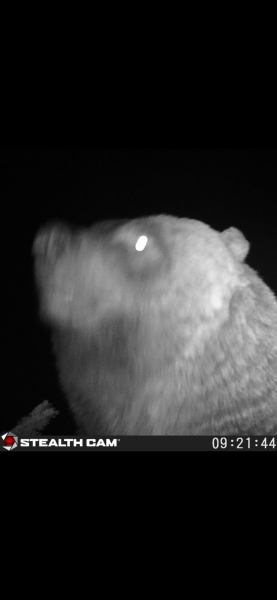
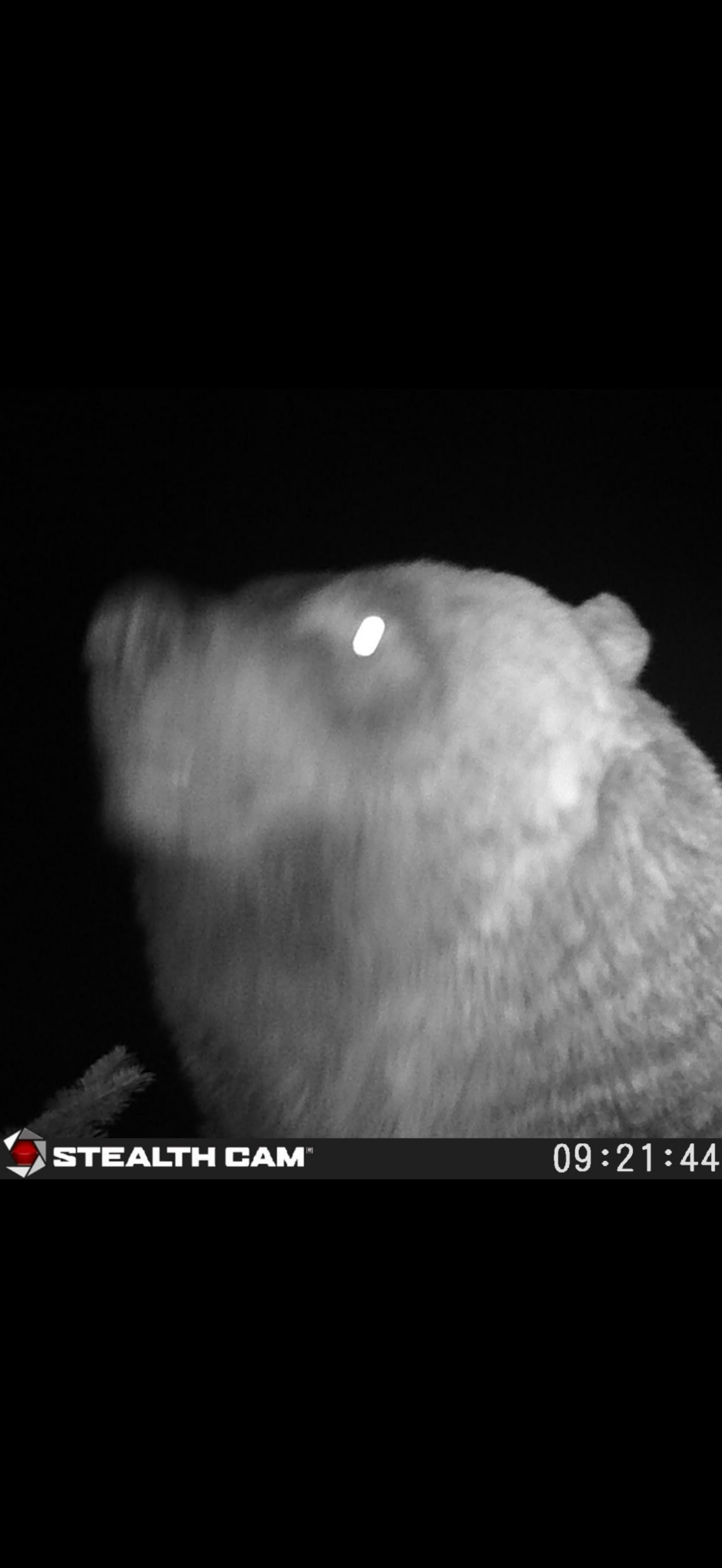
Buddies trail cam up at Priest lake!🫣
 1 point
-
There is a lot of heat sensing video out there claimed to be sasquatches. It's useless to prove anything. I pay it no attention whatsoever. If Patty is Bob in a suit, a red heat blob is even more so, even without the suit. Three of the biggest photo evidence tool improvements over the past 40 years are cell phones, dash cams, and game cams. I have all three, but don't live in good sasquatch habitat, and my area has few reports. I use my game cam at bear bait stations. I have lots of pics of bears, foxes, wolverines, and even curious moose. Remarkably, over many years, not a single pic of a wolf, even though I've interacted with them many times in person. One of the most controversial game cam pics is the Jacobs pic. People still argue about what it is. There are lots of game cam pics of supposed sasquatches, and they prove nothing. I only have one dash cam, and it's in my daily driver, primarily for legal reasons. I never installed one in my pickup/camper, and so guess which rig I had grizzlies cross the road in front of me? Do you have a dash cam? How many folks do you think do? I've seen numerous dash cam videos from police cars. Again, they prove nothing. Cell phones? People get sasquatch videos on their phones regularly. One of my favorites is the Mission BC video. It proves nothing.1 point
-
Nothing? There is a boat load of it. Heck they are on Eagle Cams for cripes sake! You want answers…. I understand. But just like UAPs there is a incredible amount of pushback from the deep state. And I dont see any of that changing any time soon unfortunately.1 point
-
I think you're naively optimistic .. we are much more willing to be self-destructive (and pompously, righteously so) than you seem to realize. The courts do not care about the survival of the country .. at all. Where juries are in charge, where emotions drive decisions, the notion that anything can be "other than exactly as I want it" does not have a seat at the table. You have to truly believe there is a realistic risk before that sort of thinking comes into play. It won't until it is far too late to matter.1 point
-
The Forest Service would not lock up their ecosystem but fanatical private groups might try.1 point
-
Of course they did. Do they want packaging in English, French and Norwegian? Hell no. In reality, it is a culture clash in the way of who claims the land. That woman was fired and some of her work was disappeared.1 point
-
That horse has been beat 10 feet into the ground.1 point
-
Thanks. I wasn't aware of that.1 point
-
A flash of beauty bigfoot revealed: jaime1 point
-
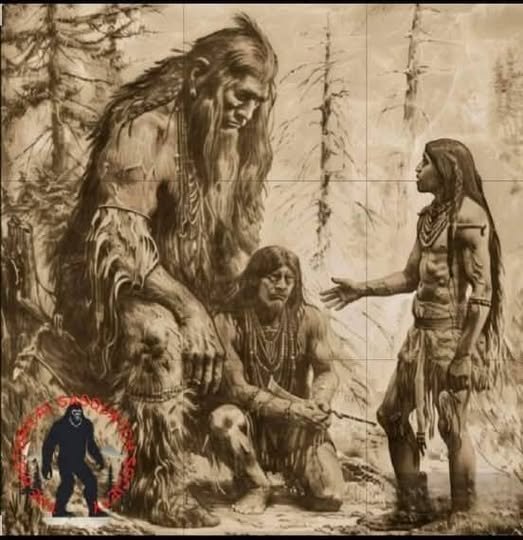
Daniel Boone did many amazing things and one of the most outstanding events that happened to him was when he encountered a Bigfoot while camped out in Kentucky with his men. This amazing event happened in the mid 1700s so those of you who have never read or come across this adventure, this short 5 minute video will help fill you in on Daniel Boone's encounter with Bigfoot. Back then they probably didn't call it Bigfoot. In different parts of the country Bigfoot has many different names that adds a little confusion with the study of this creature. Anyway, I'm sure that you will enjoy this short video that will add to your knowledge of Bigfoot. When compared to guns that we have today, how deep would the lead bullet fired from a 1750's flint lock rifle penetrate a Bigfoot's chest? If you had 1750 flintlock rifle and a Bigfoot charged you, where would you shoot the Bigfoot? Back in the mid 1700s for those of you who are gun experts, what caliber of gun did Daniel Boone probably use? Can you name at least 5 words that bigfoot has been called? https://www.bing.com/videos/search?q=daniel boon battled bigfoot&view=detail&mid=E5D6728835A34F4B1BA2E5D6728835A34F4B1BA2&ajaxhist=0
 1 point
-
Sasquatches probably looked at native Americans more favorably since they had a low impact on their environment and the creatures were probably not afraid once they became used to living around the native Americans. This cohesiveness probably varied from tribe to tribe and more hostile tribes may have been averse to enjoying the company of bigfoots. The same applies in reverse with family groups of bigfoots who did not trust humans so it's difficult to know the relationship between the two groups. The relationship between modern humans and bigfoots today is probably far worse than when native Americans were dominate. Modern humans today have built the Forest Service that doesn't even recognize bigfoot probably due to admitting there is a bigfoot would amount to territory protection and vast reductions in logging if environmental groups demand extreme Sasquatch land protection.1 point
-
Of course you should! Right now as I eat my morning granola and type on this laptop I'm watching Nathan (a former, and perhaps still present poster here) on his Study Sasquach channel. He just casted yet another footprint. Now, I'm not so impressed with yet another sasquatch footprint cast. There must be thousands of them now in various collections, including the PGF casts that came with a film of the creature actually making the footprints. They "prove" nothing. What I'm interested with in Nathan's videos are: 1) He's honest, no BS, and is as down to Earth as they get 2) He's active and tenacious, and I can always expect him to provide an excellent video of his experiences 3) And he uses incredibly wonderful gear, which is a science in and of itself, and even at my age, I'm still interested in such stuff for hunting (which my tyrannical wife and decreasing health seems to increasingly prevent me from enjoying)1 point
-
That hits the nail on the head. (And, thank-you for summarizing the affects that your encounters have had for you. Much appreciated.) Something funny is going on! Of that, I am 99.9% sure. There is just no way that an otherwise 'normal' biological creature of the reported sizes can exist and, remain unclassified after all these years, without something(s) 'funny' going on. This is a good thread, in my opinion. We can be civil here and honestly explore what may be the cause(s) for the lack of Scientific acceptance/classification. When I joined the BFF, it was stated that the official stance of the BBF was basically that Bigfoot are a biological animal, similar to Gorillas, Humans, etc. except in perhaps their size and elusiveness. And, as time went by, I never really understood why so many people categorically reject the idea that there may be (and most likely are) characteristics of Bigfoot that are beyond the current Scientific paradigms. In fact, if you accept that many witnesses are seeing something(s) matching the criteria, it seems undeniable that they must defy our current understandings. As a side note: I live in the middle of a big city, on a busy road. Yet, my backyard is interesting because it becomes almost rural when you step out the back door. And (not to imply too much into how this may affect this current discussion), I have seen unusual wildlife out there. One night about 15 years ago when it was just about to get fully dark, I saw the silhouette of some kind of gigantic bird fly by. We have barred owls and some hawks and a few eagles, but this thing had like a 6-7 foot wing-span and it flew right by me! I imagine that any Ornithologist would probably say 'No, you must be mistaken, there are no birds of that size anywhere around there' but, I know what I saw. Point being: no one really knows anything, until they know.1 point









This leaderboard is set to New York/GMT-05:00