
Leaderboard



Popular Content
Showing content with the highest reputation on 10/08/2026 in all areas
-
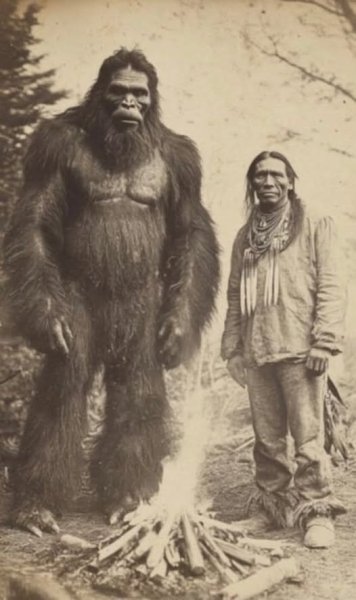
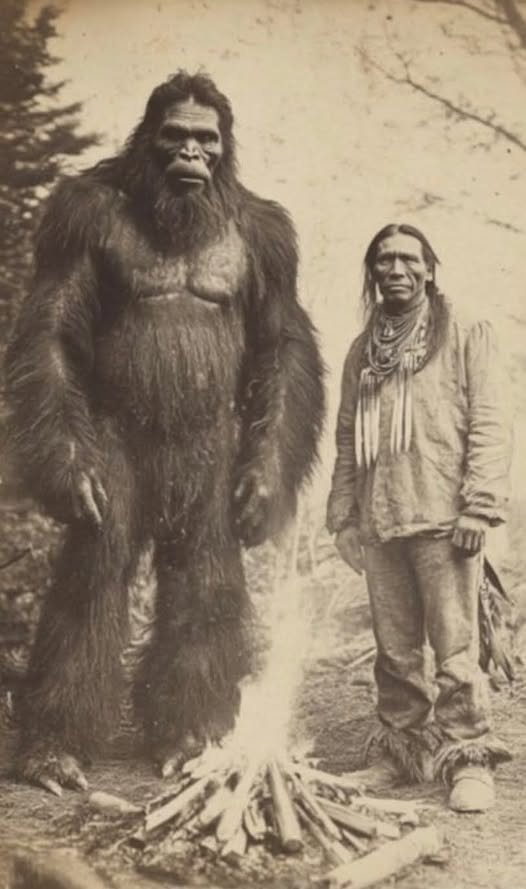
The Forest Service and the Bureau of Land Management rule over federal forest lands with a primary goal of providing lumber for the nation's building industry and for sustaining a large work force. They have hired top wildlife biologist, yet bigfoot remains a mythical creature. They also know that if bigfoot becomes a scientifically proven primate species, large areas of present and future timber production will probably be shut down in the same manner as what happened with the Spotted Owl but at a much larger scale. Is there a reasonable solution for this potential problem or should there be no effort to prove bigfoot as a new species?
 1 point
 -
I agree. It's like grizzly bears and wolves co-existing with large populations of humans. If we aren't willing to accept human and livestock losses, it won't be happening successfully.1 point
-
I think it’s never ending cycles of overlap. If they yield to us the “good ground”? I don’t think their numbers could be high coexisting with us. This may not have always been the case. The Cerutti mastodon find is pre Homo Sapiens in my opinion. They may have had full reign of the new world until we showed up. What we see now is pockets of survivors from the Homo Sapiens apocalypse? Just a thought. And it didn’t just happen here. It happened to many species in our genus in Africa, Asia and Europe. Homo Sapiens are the last man standing.1 point
-
Very possible. But also with how we treat each other? It may not make a lick of difference. https://www.nytimes.com/2019/07/27/world/americas/brazil-miners-amapa.html1 point
-
I believe these creatures are nomadic, and they utilize HUGE areas. This is part of why anti-discovery is desired by government. "Protecting" an entire region for a nomadic species would be traumatic to humanity. Many people already live in these areas. An example of such a species would be barren grounds caribou like the Nelchina or Fortymile caribou herds. These are huge areas, very few people live within these areas, and caribou are a hunted species, yet wildlife managers are still confronted with a myriad of challenges managing these herds. If we're talking about a non-game species that is at extremely low population density, it would be a huge, expensive, and intrusive management challenge. Better just to look the other way, and assist everybody else to look that way, too.......... One of the best examples of sasquatch "home" reports came from the Albert Ostman story. He claimed that the sasquatch family (his word) that held him hostage lived in a several acre area surrounded by steep cliffs and a single, narrow opening that had a spring or small brook and overhanging rock projections under which they built their sleeping nests for protection from rain. The species appears to reproduce like Homo sapiens, so that rearing their few young takes years, which is supported by their species low density and slow growing (or even declining) situation. Most public lands in North America already have significant access restrictions. It's not like the pre-automobile era when access by horseback allowed reaching even in near impossible corners of the wilderness. Motor vehicle access is limited to established roadways, and even then, government utilizes gates to restrict access for myriad reasons. Even access by foot or horseback requires permits. Access restrictions offer solitude for sasquatches.1 point
This leaderboard is set to New York/GMT-04:00